
Antiplatelets
- Aspirin can be continued
- Clopidogrel monotherapy - Continue if necessary
- Ticagrelor - Change to Clopidogrel if possible, interrupt if possible
- DAPT - Change to Aspirin alone when possible
- DAPT with recent PCI - defer device implant if possible
- Restart in 24-48 hours
Anticoagulants
- No Heparin bridging
- Warfarin - Interruption, Uninterrupted with lower INR, Uninterrupted
- NOAC - Interruption, Uninterrupted
Bruise control - Bridging
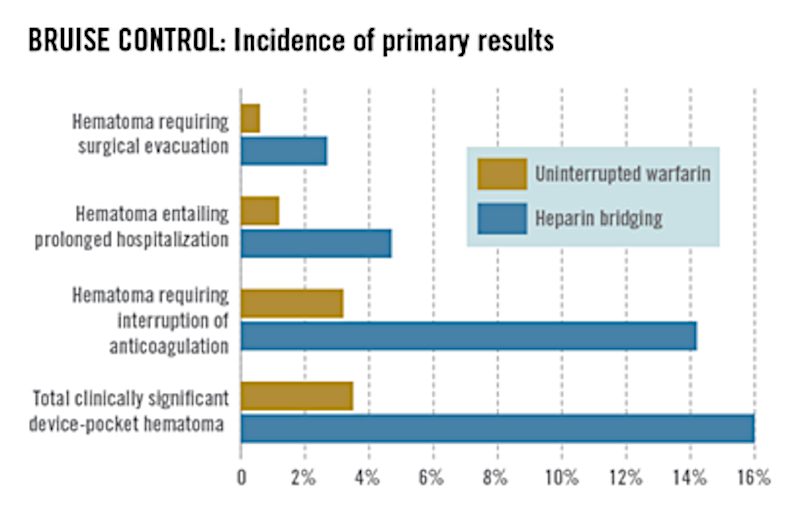
Birnie DH, Healey JS, Wells GA, et al. Pacemaker or defibrillator surgery without interruption of anticoagulation. N Engl J Med. 2013;368(22):2084-2093. https://doi.org/10.1056/NEJMoa1302946.
Bruise control 2 - Interruption
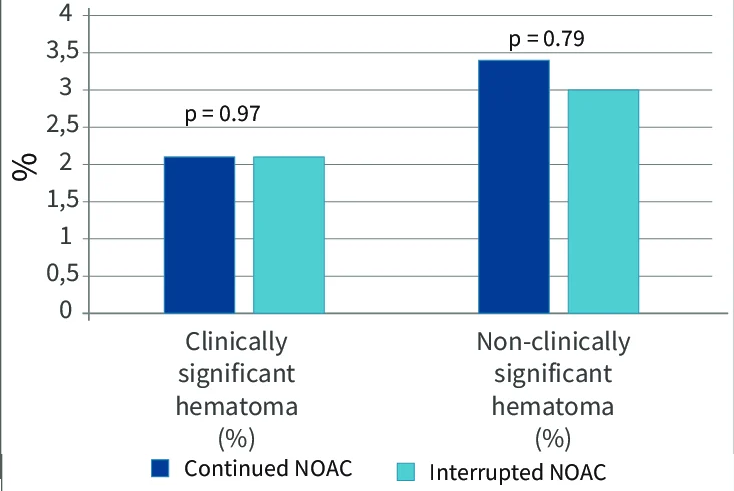
Birnie DH, Healey JS, Wells GA, et al. Continued vs. interrupted direct oral anticoagulants at the time of device surgery, in patients with moderate to high risk of arterial thrombo-embolic events (BRUISE CONTROL-2). Eur Heart J. 2018;39(44):3973-3979. https://doi.org/10.1093/eurheartj/ehy413
Antibiotic
- Cefazolin
- Single dose
- Within 1 hour
- Complete before skin incision
Active vs passive leads
- More choice of site
- Less dislodgement
- Increase in perforation ?
Active vs Passive leads
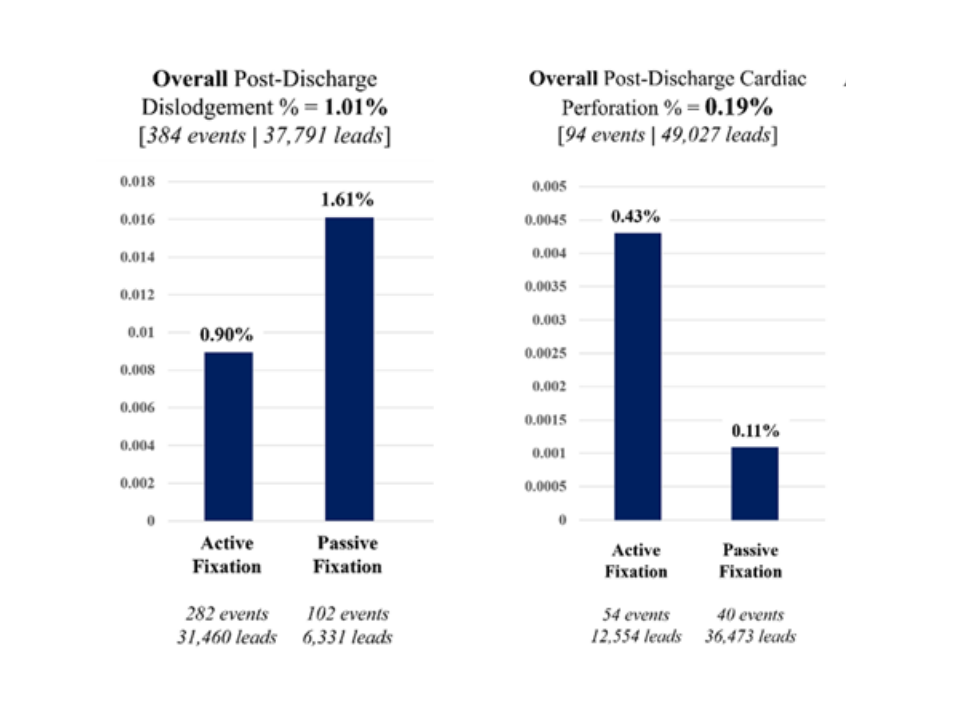
Karampinos, K., Zagoridis, K., Sideris, K. et al. Active versus passive fixation leads in cardiac implantable devices: a meta-analysis of post-discharge cardiac perforation and lead dislodgement risk. J Interv Card Electrophysiol (2026). https://doi.org/10.1007/s10840-026-02383-x
Venous access
- Cephalic vein cutdown
- Axillary vein puncture
- Subclavian vein puncture
Venous access
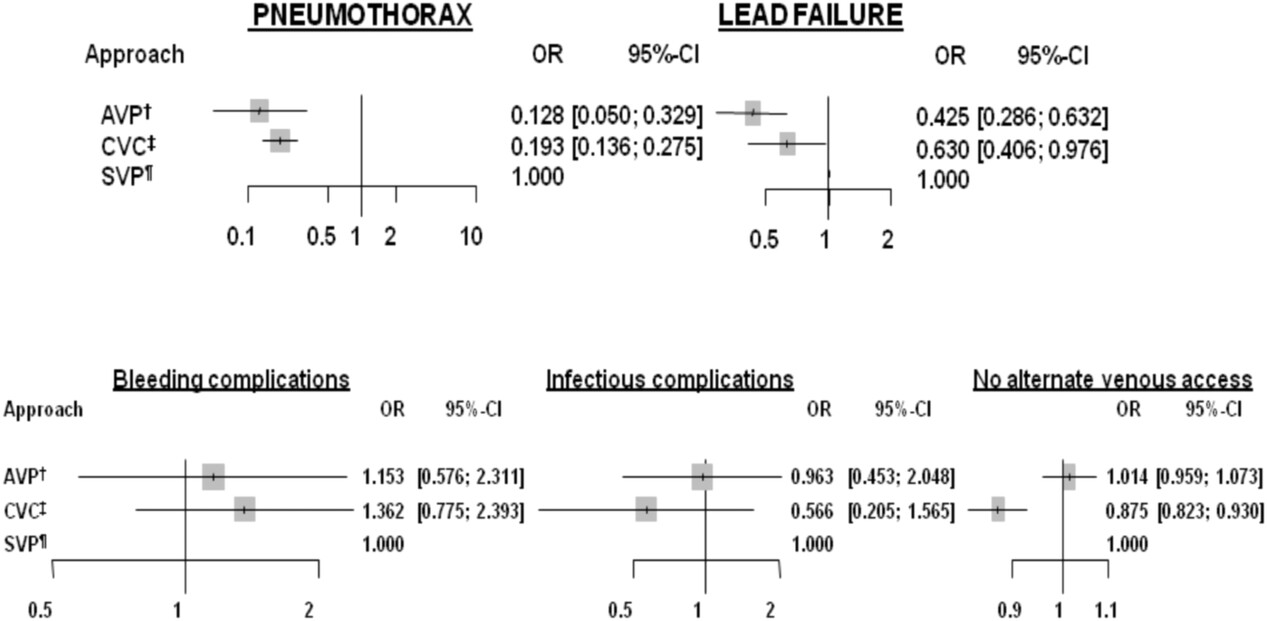
Anagnostopoulos I et al. Different venous approaches for implantation of cardiac electronic devices. A network meta-analysis. Pacing Clin Electrophysiol. 2022 Jun;45(6):717-725. doi: 10.1111/pace.14510.
Venous access - Ultrasound guided
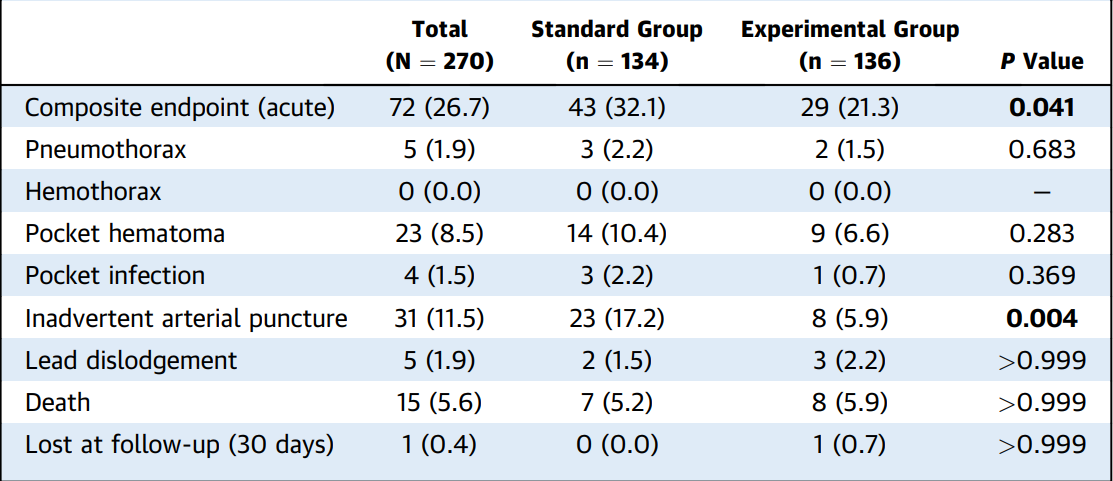
Vitali F et al. Ultrasound-Guided Venous Axillary Access Versus Standard Fluoroscopic Technique for Cardiac Lead Implantation: ZEROFLUOROAXI Randomized Trial. JACC Clin Electrophysiol. 2024 Mar;10(3):554-565. doi: 10.1016/j.jacep.2023.11.020.
Air embolism
- Hydration
- Trendelenburg position
- Pinch sheath
RV lead placement
- Avoid inadvertent LV placement
- Prefer septal lead placement
3D Mond curve
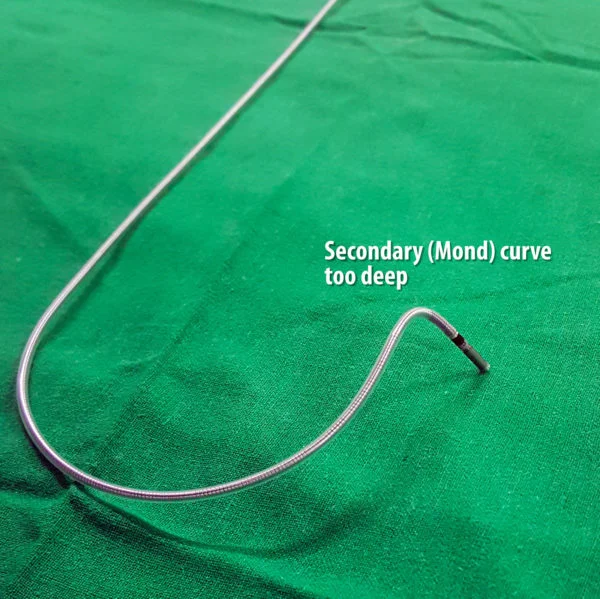
Confirming true septal placement
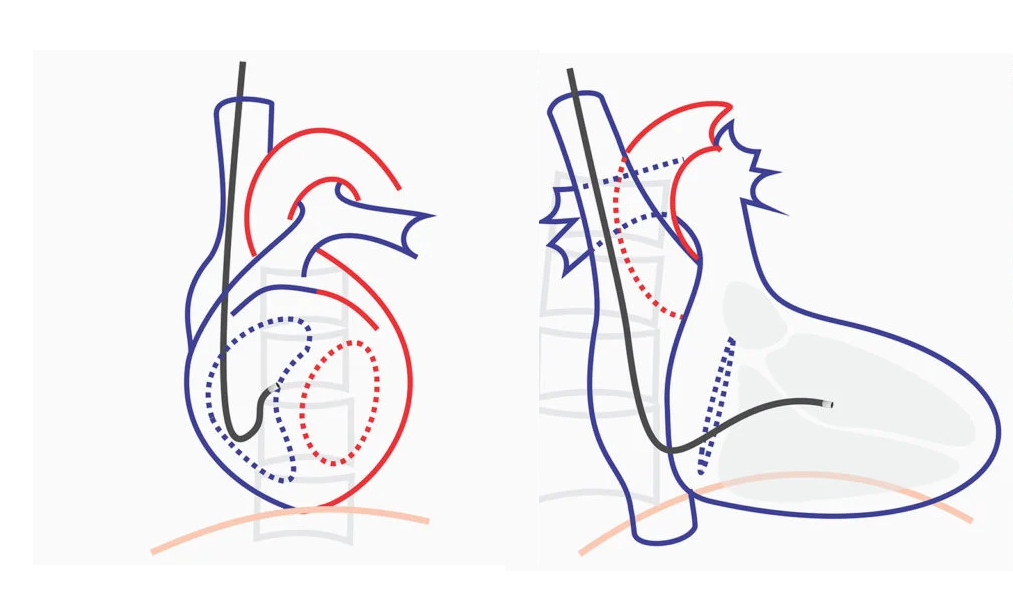
Confirming true septal placement
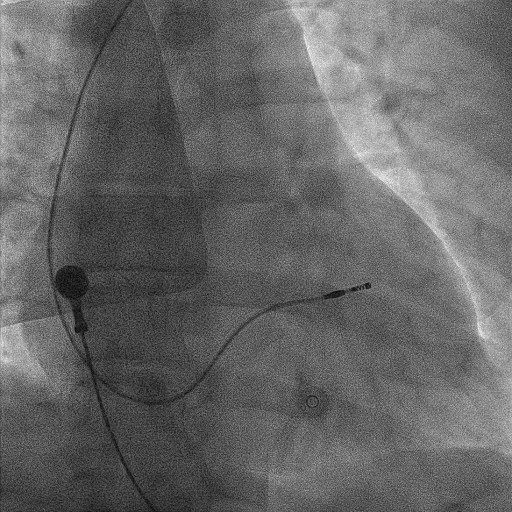
- Position medially
- Correct plane
Role of antibiotic envelope
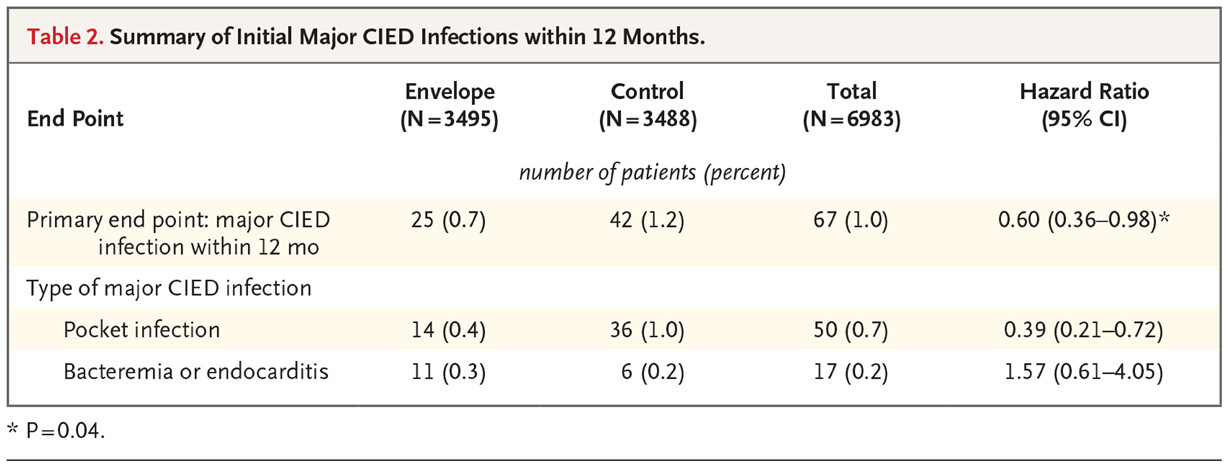
Tarakji KG … Wilkoff BL; WRAP-IT Investigators. Antibacterial Envelope to Prevent Cardiac Implantable Device Infection. N Engl J Med. 2019 May 16;380(20):1895-1905. doi: 10.1056/NEJMoa1901111.
Antibiotic envelope
- First CRT-D implant
- Generator change with higher infection risk
- Device upgrade
- Lead / Pocket revision
Suturing
- Interrupted vs continuous
- Subcuticular absorbable vs External non-absorbable
- Non braided monofilament for skin
- Staples / Skin glue
Post procedure
- Early ambulation
- Reduce immobilisation
- Antibiotics not needed
Pre discharge
- Counseling
- Device interrogation
Pacemaker implant complications
- FOLLOWPACE
- 12.4% at 2 months
- MOST
- 4.8% in 30 days
- 7.5% in 3 years
- Udo EO et al. Incidence and predictors of short- and long-term complications in pacemaker therapy: the FOLLOWPACE study. Heart Rhythm. 2012 May;9(5):728-35. doi: 10.1016/j.hrthm.2011.12.014.
- Ellenbogen KA. Complications arising after implantation of DDD pacemakers: the MOST experience. Am J Cardiol. 2003 Sep 15;92(6):740-1. doi: 10.1016/s0002-9149(03)00844-0.
Self Audit
- Early infection - 0.3% (< 6 mths)
- Late infection - 1% (6 mths - 5 yrs)
- Lead related reintervention - 2.5% (5 yrs)