History
- 30 year old female
- Recurrent palpitations for 8 years
- Three failed ablations over last 6 years
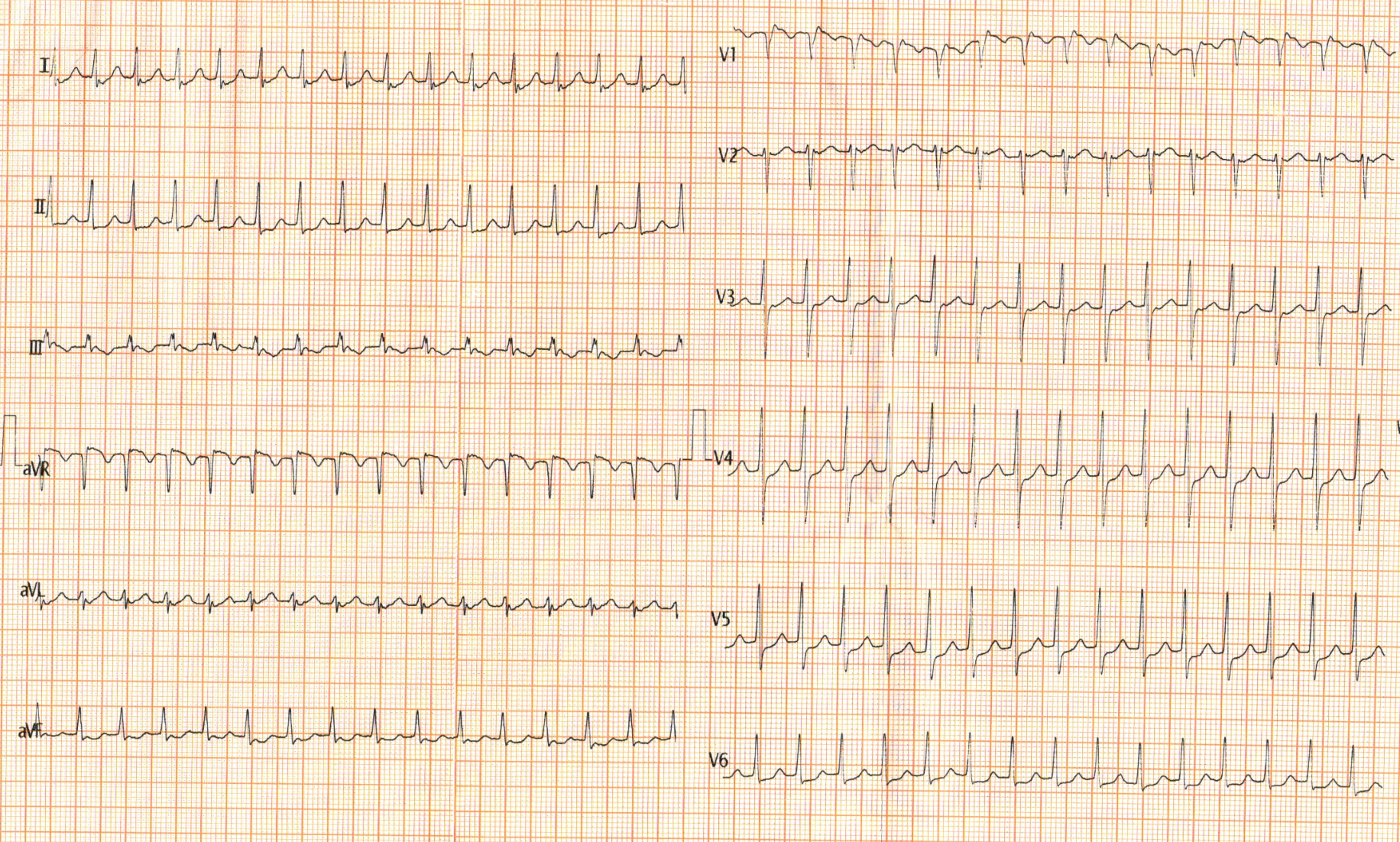
Tachycardia
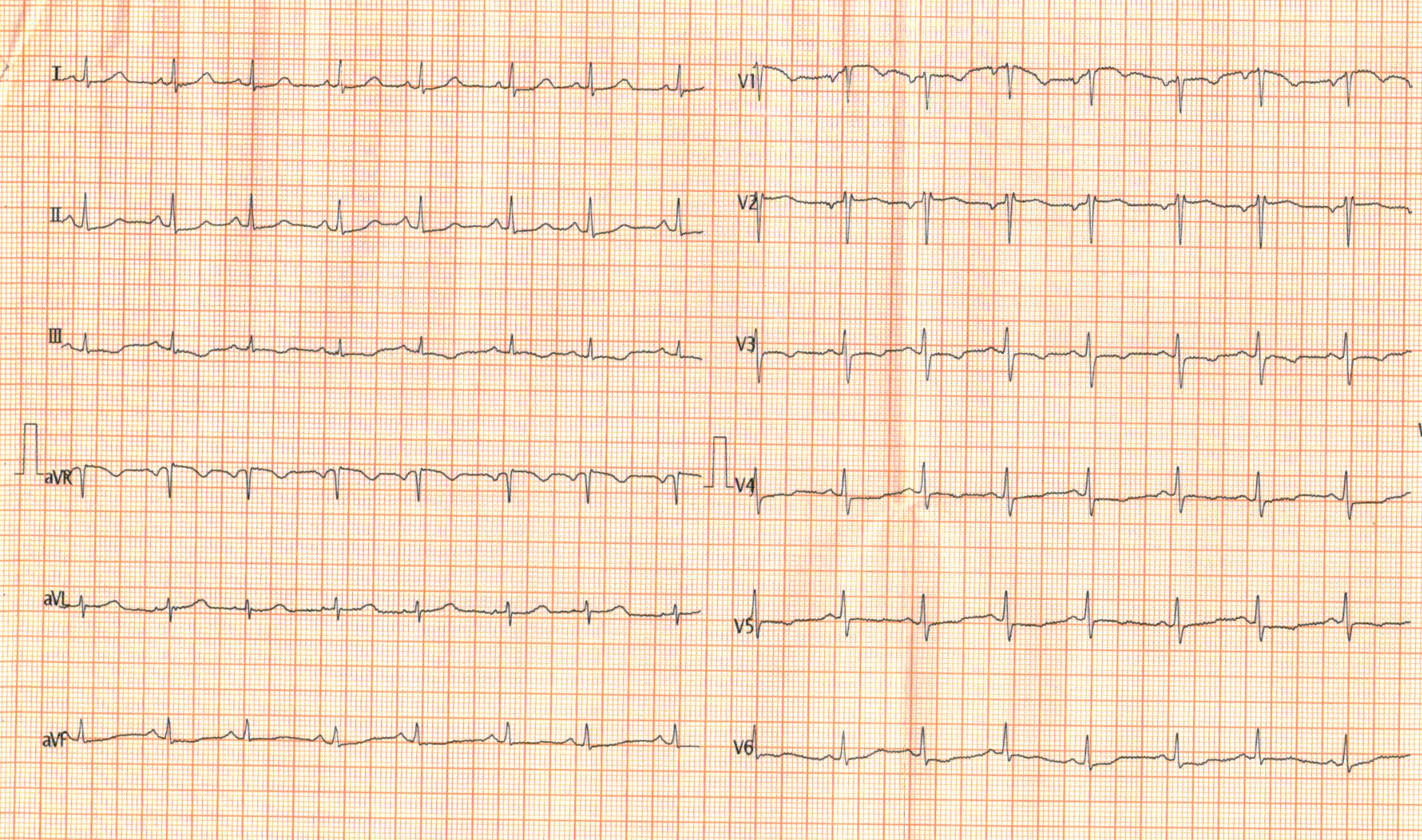
Sinus rhythm
Plan
- AV junction ablation with pacemaker implant ?
- Medical management
- Slow pathway ablation
- Fast pathway ablation
Summary
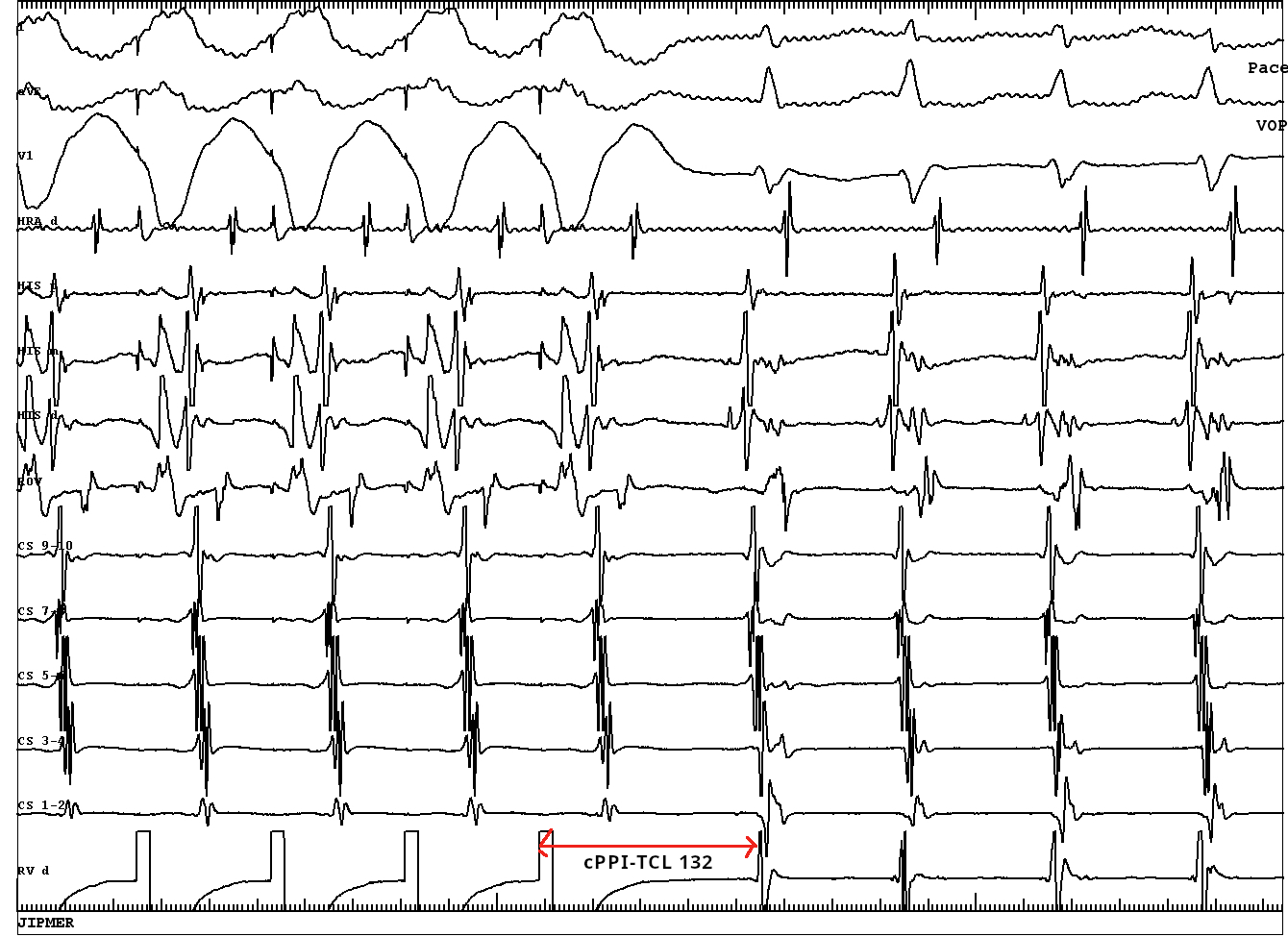
- Patient with recurrent short RP tachycardia and failed previous ablations
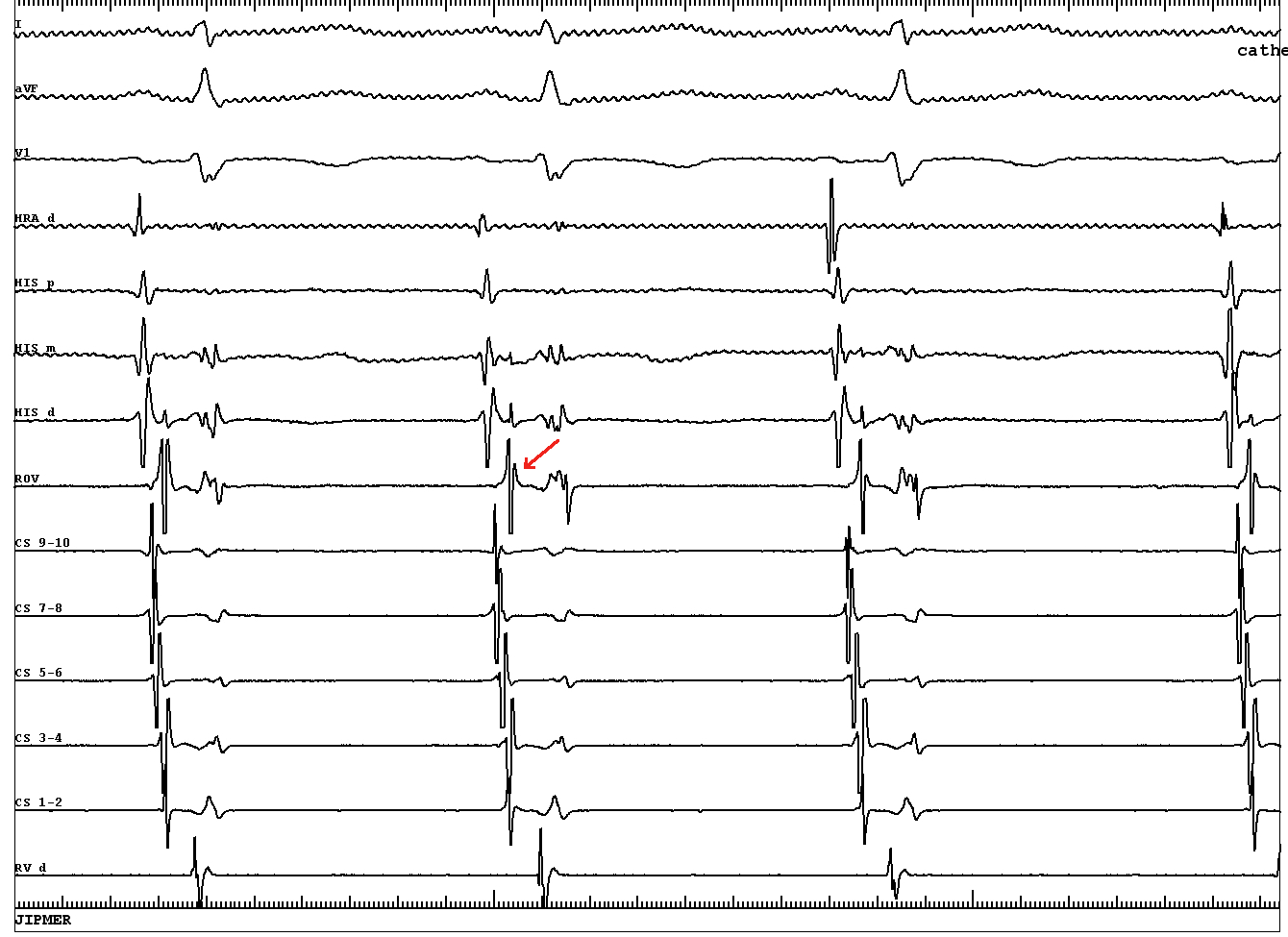
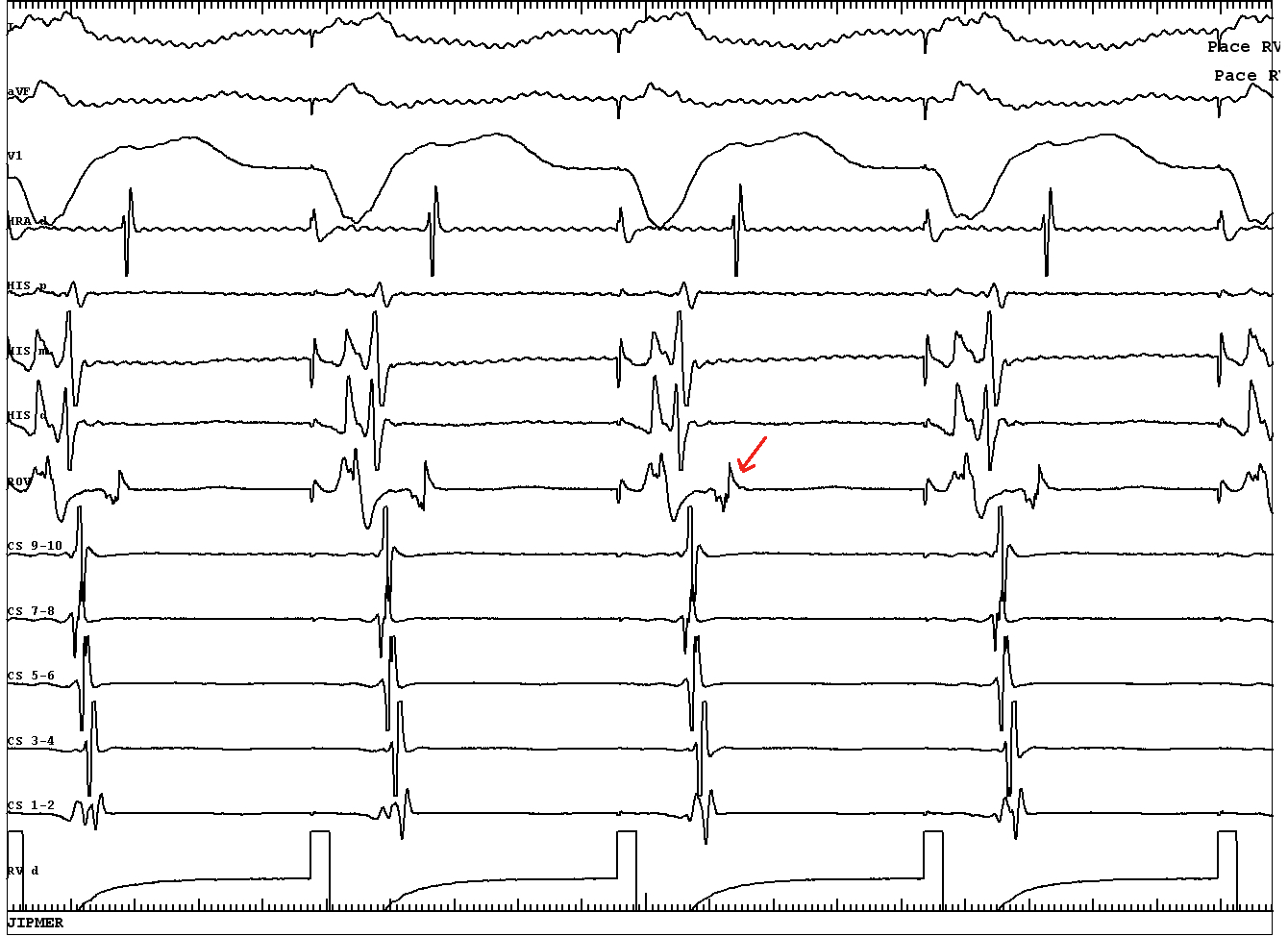
- No accessory pathway conduction
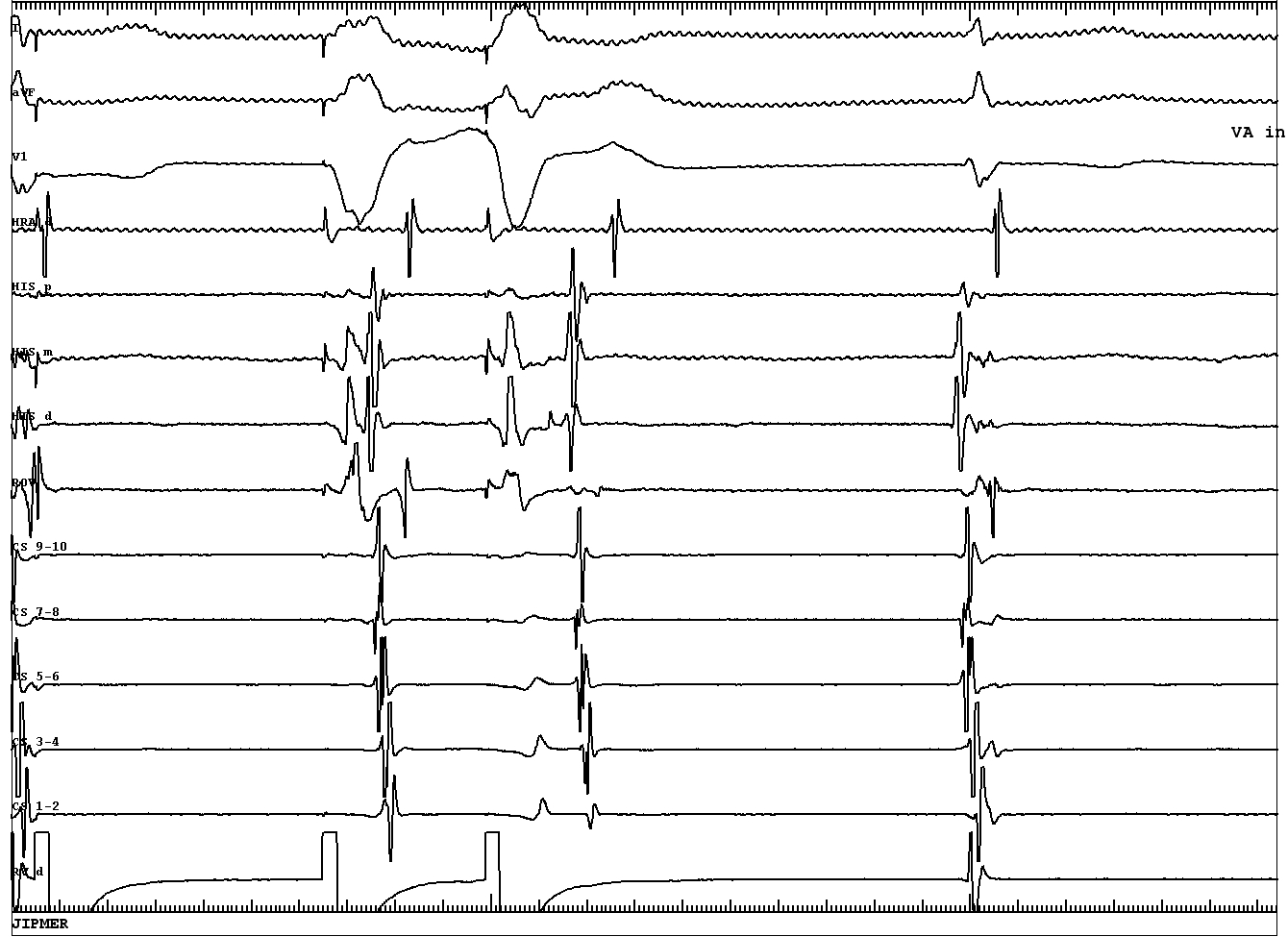
- Dual AV nodal physiology
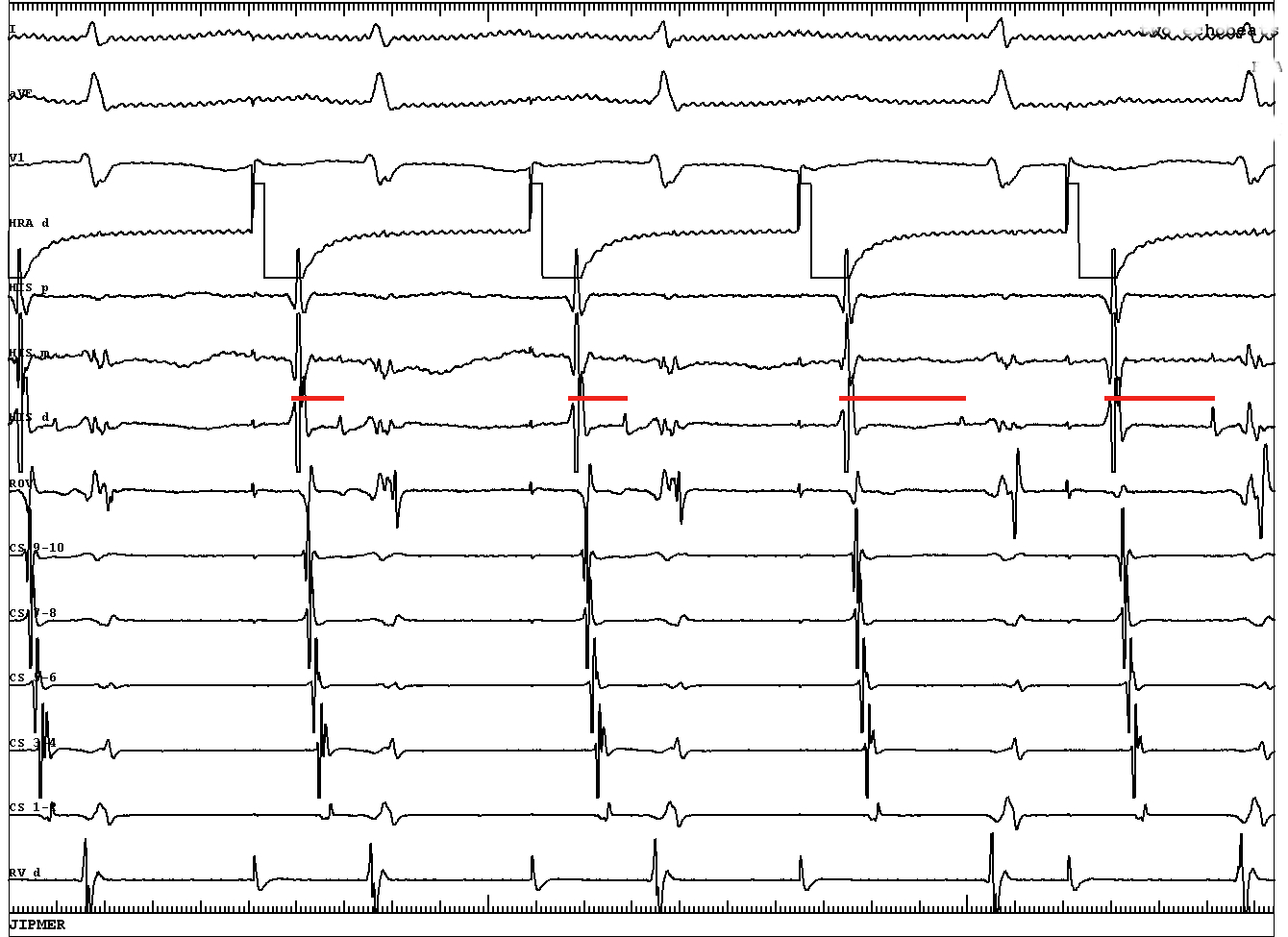
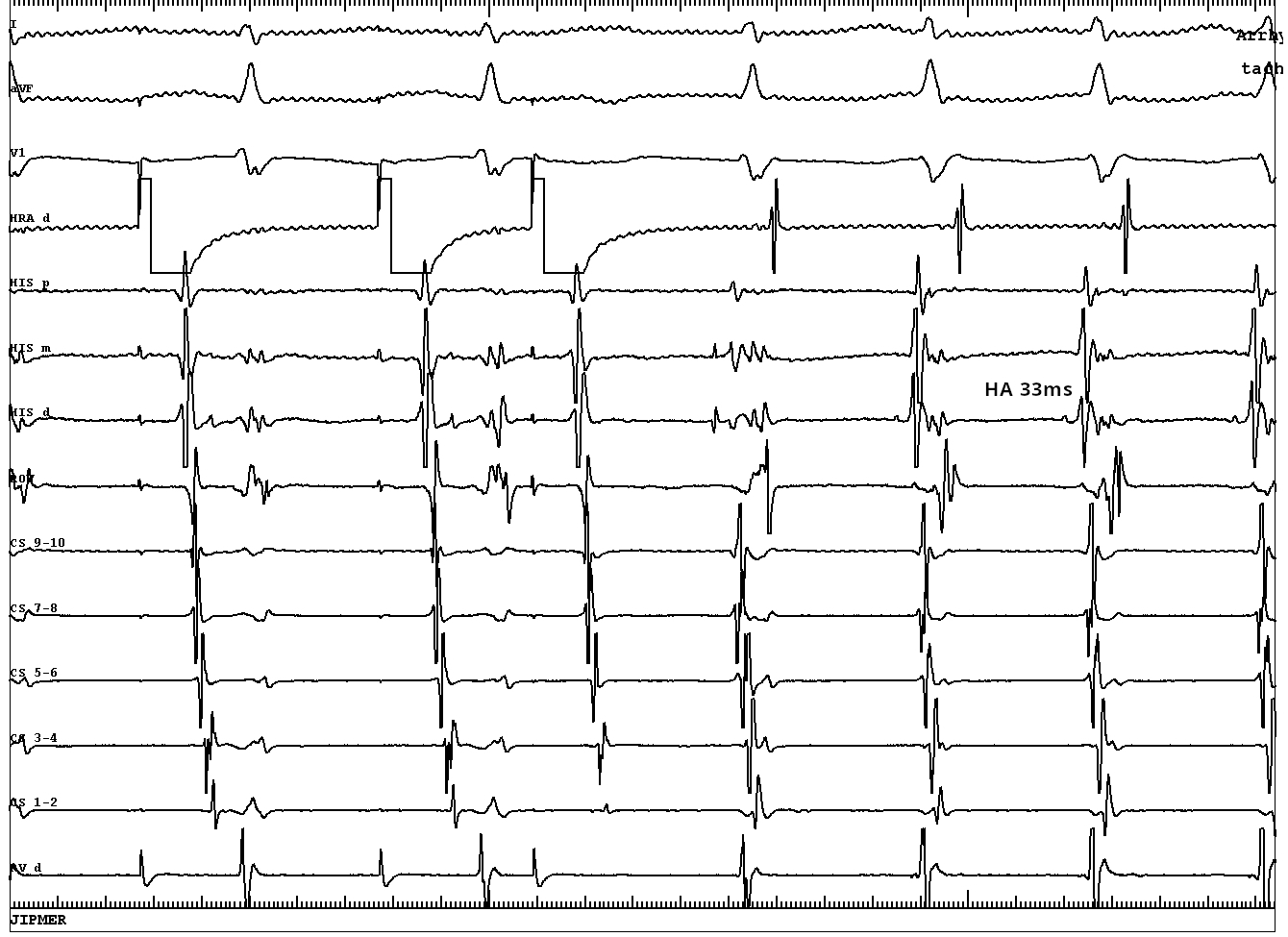
- Tachycardia with 1:1 AV, VA -15ms, VAV response and long PPI
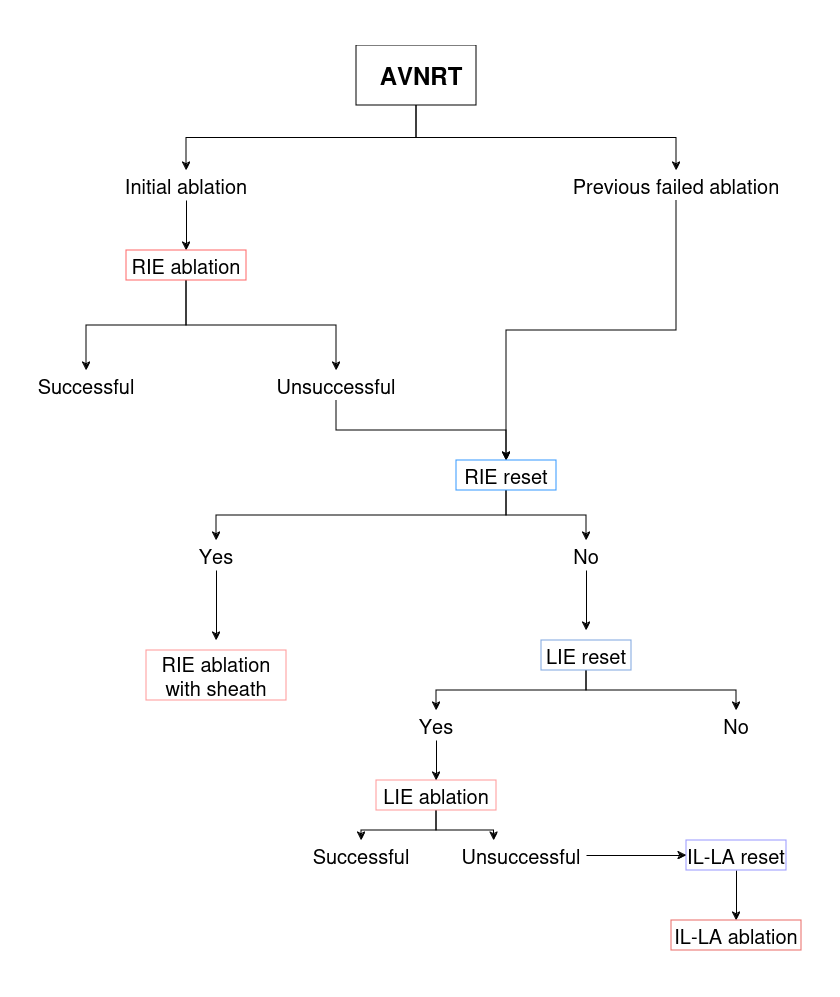
Rethink Slow-fast AVNRT
- Reentry using slow pathway as antegrade limb and fast pathway as retrograde limb
- A set of reentrant arrhythmias using fast pathway as the retrograde limb and one of the slow pathways as the antegrade limb
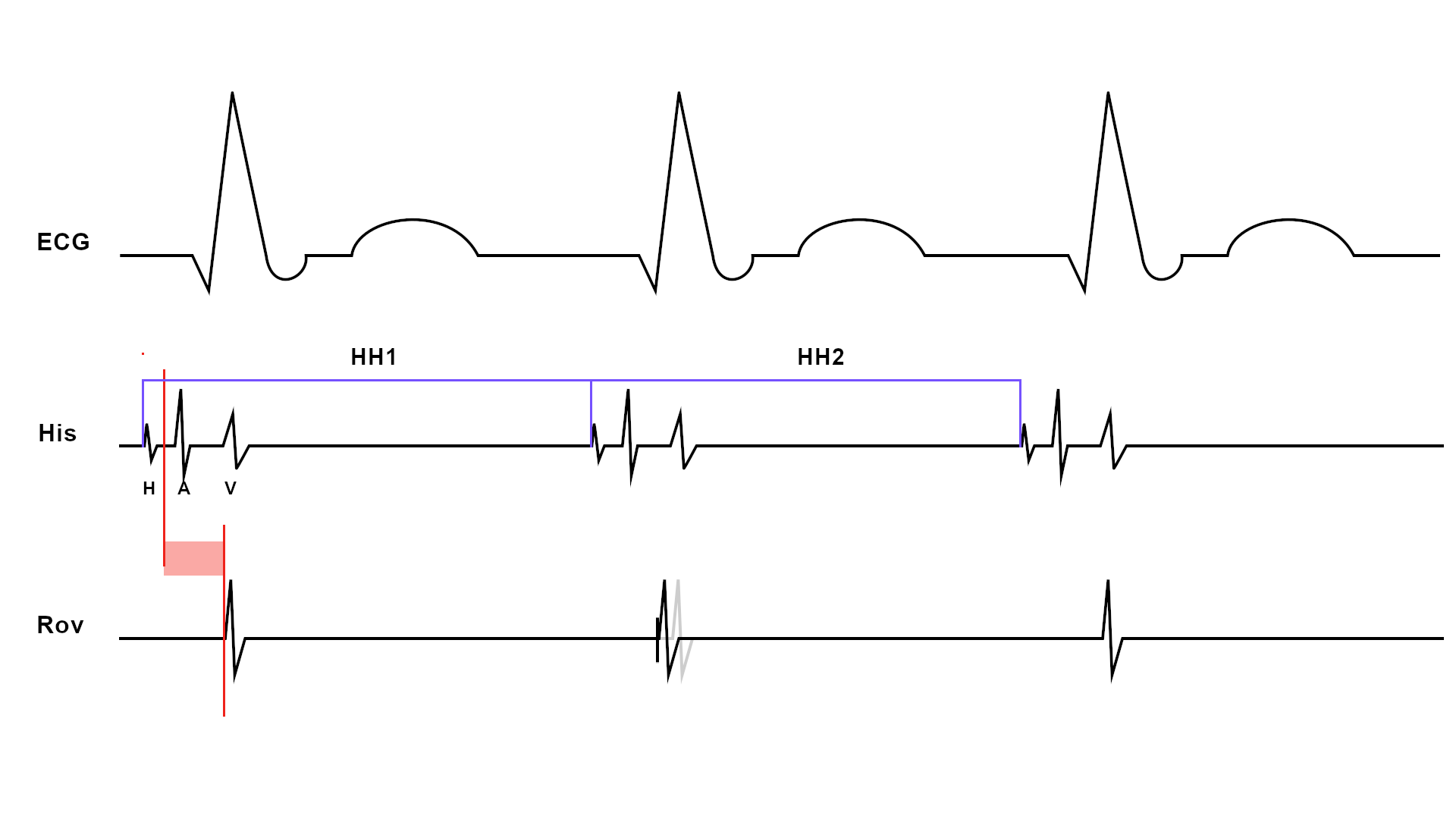
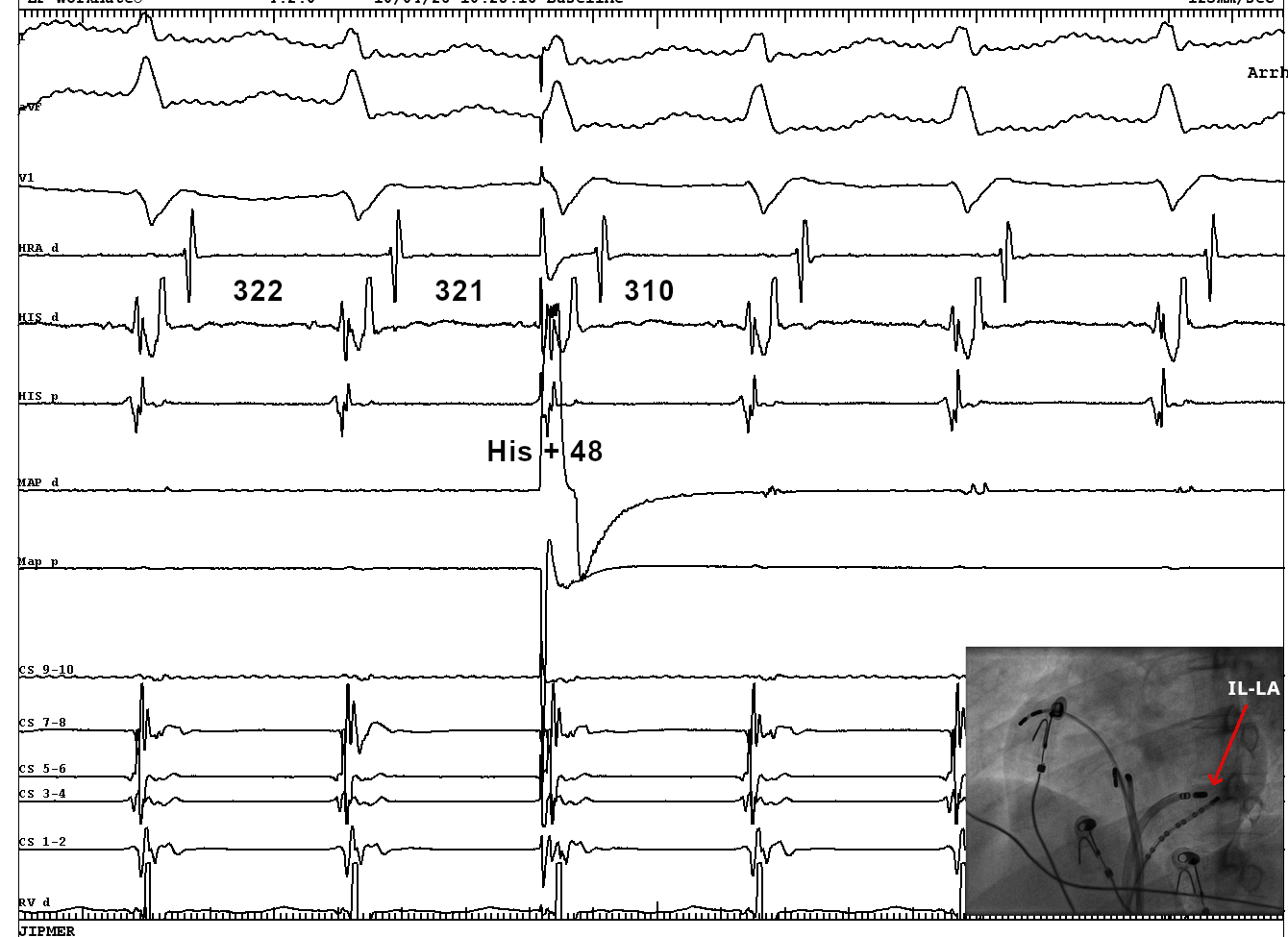
Reset - Why ?
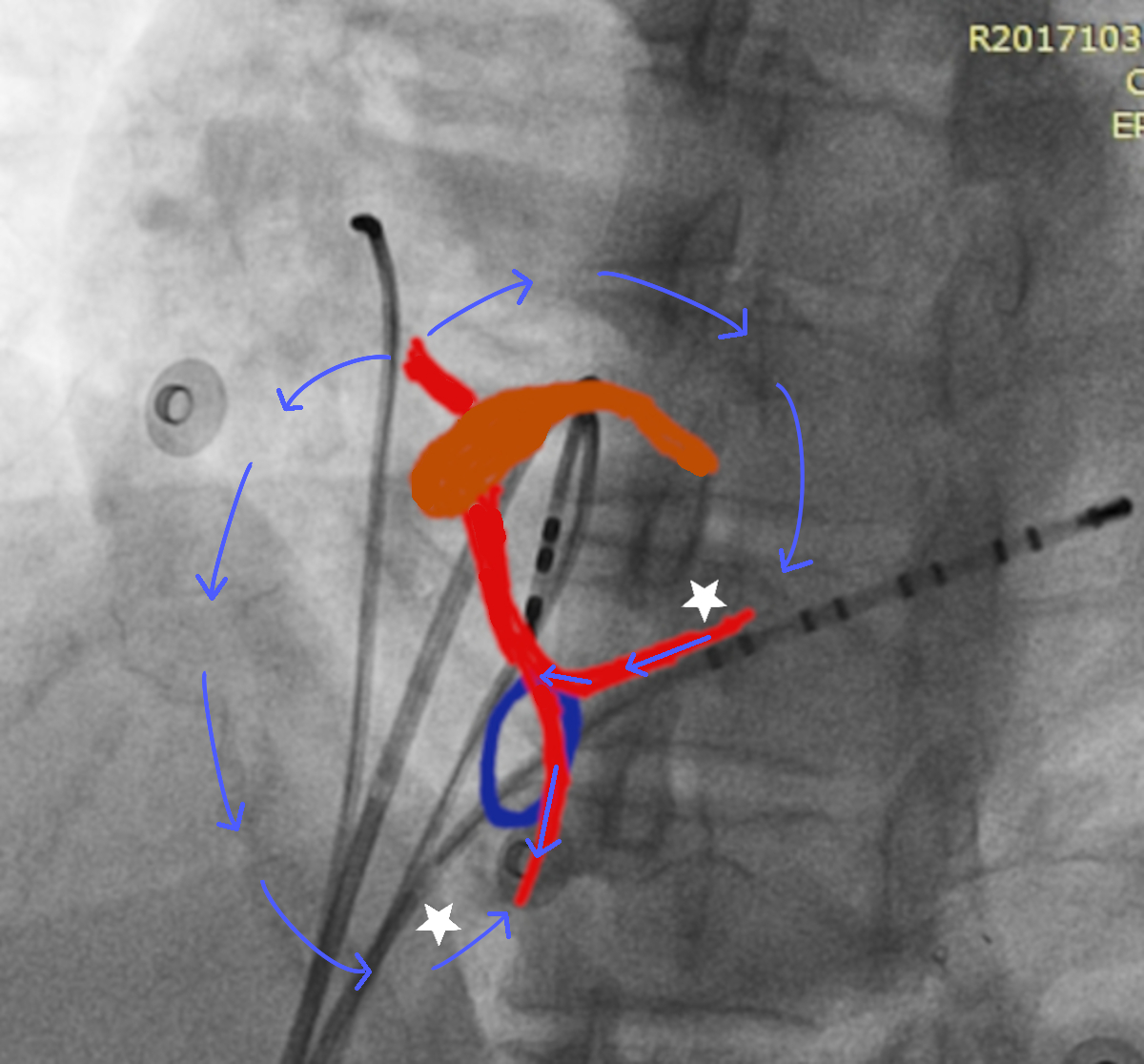
Reset - How to do it
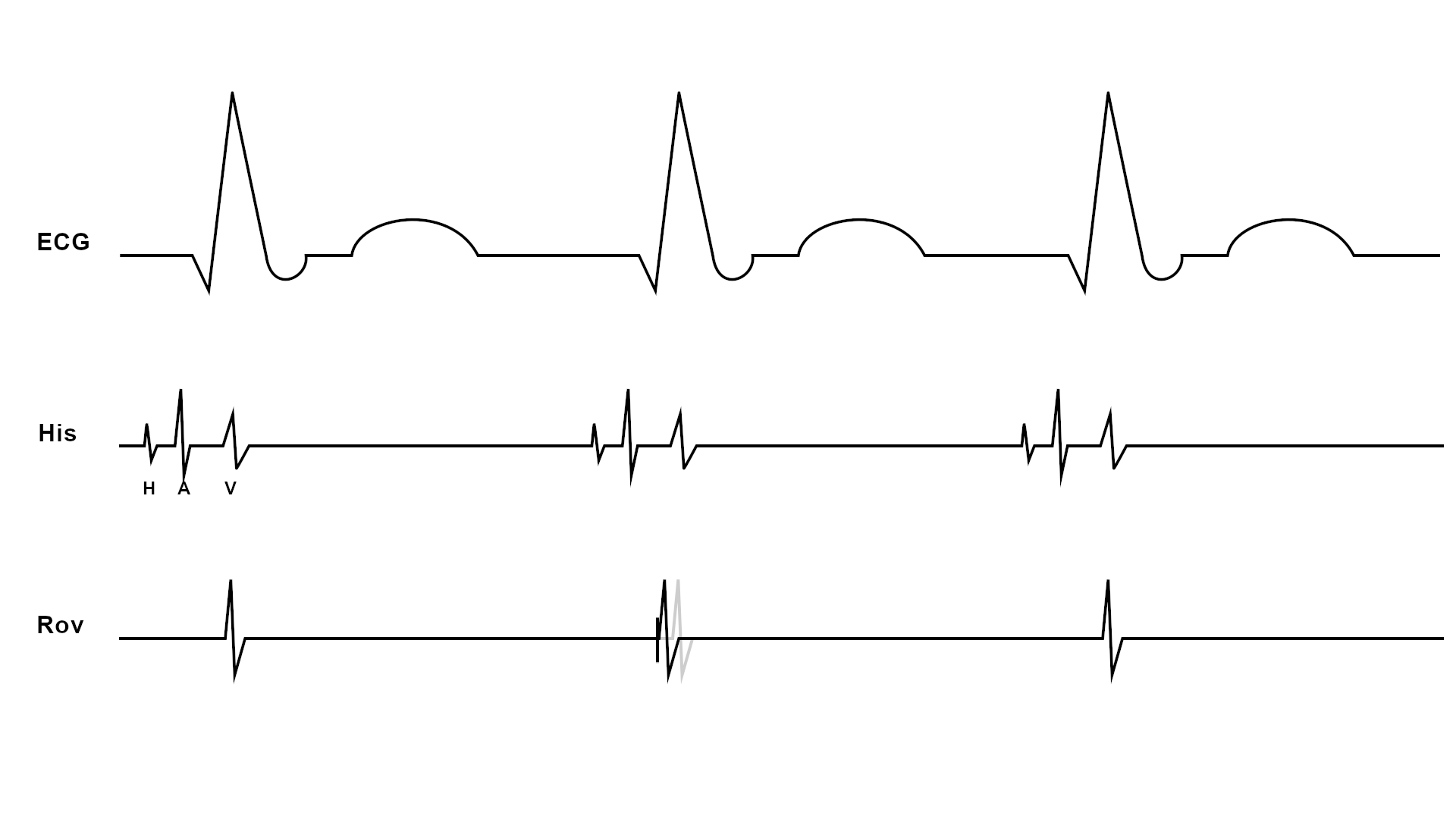
Reset - How I do it
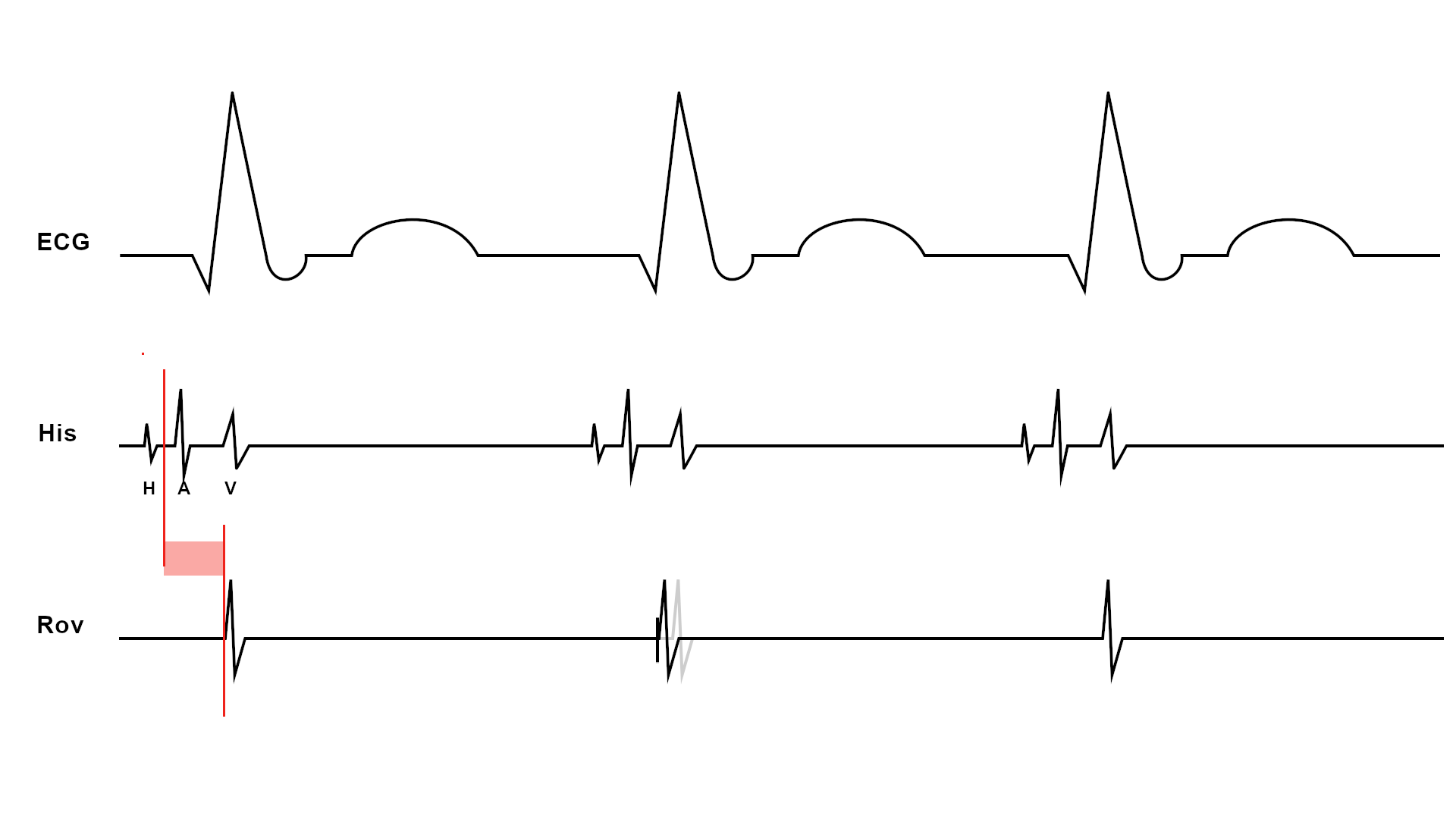
Reset - How I do it
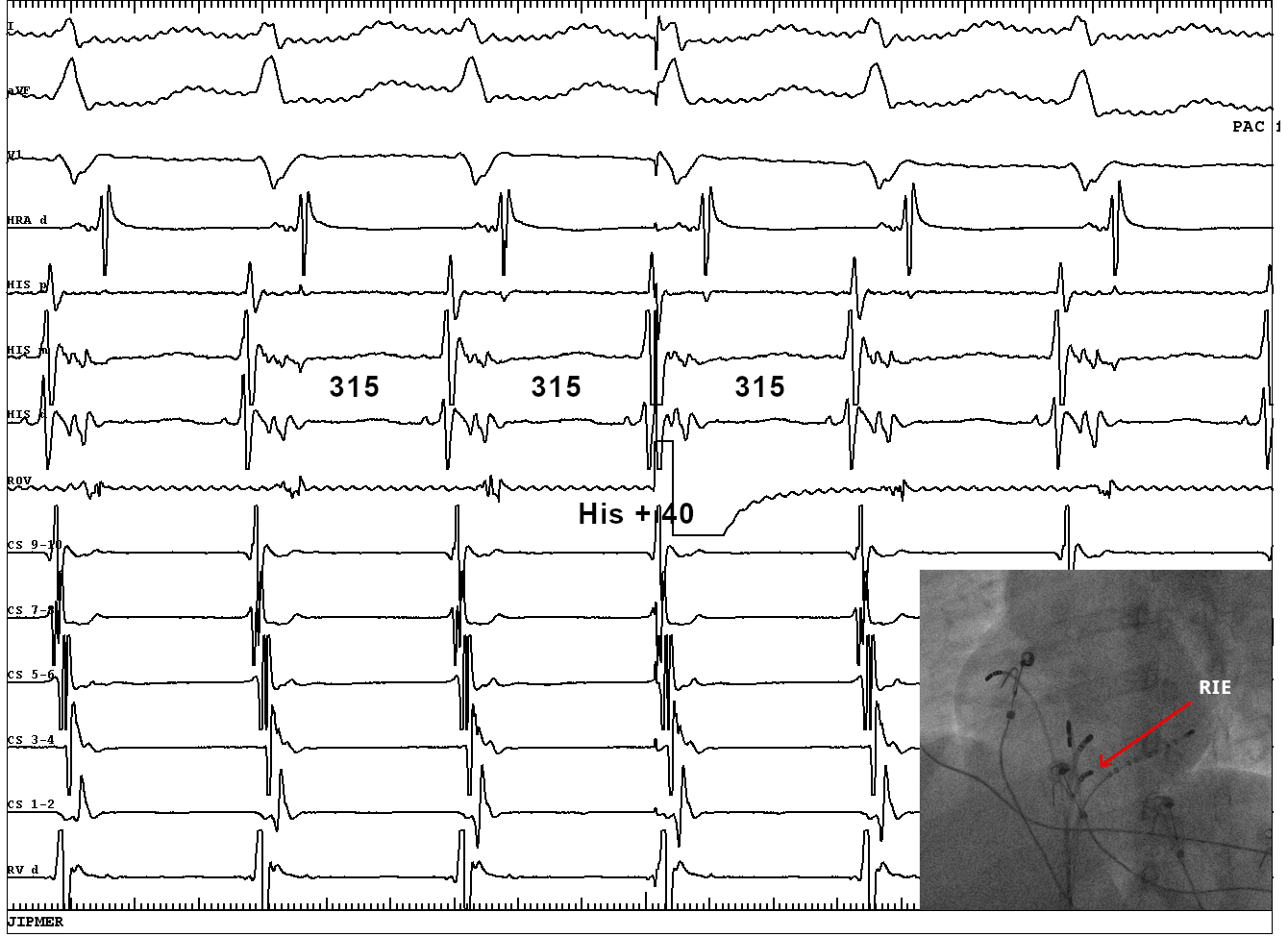
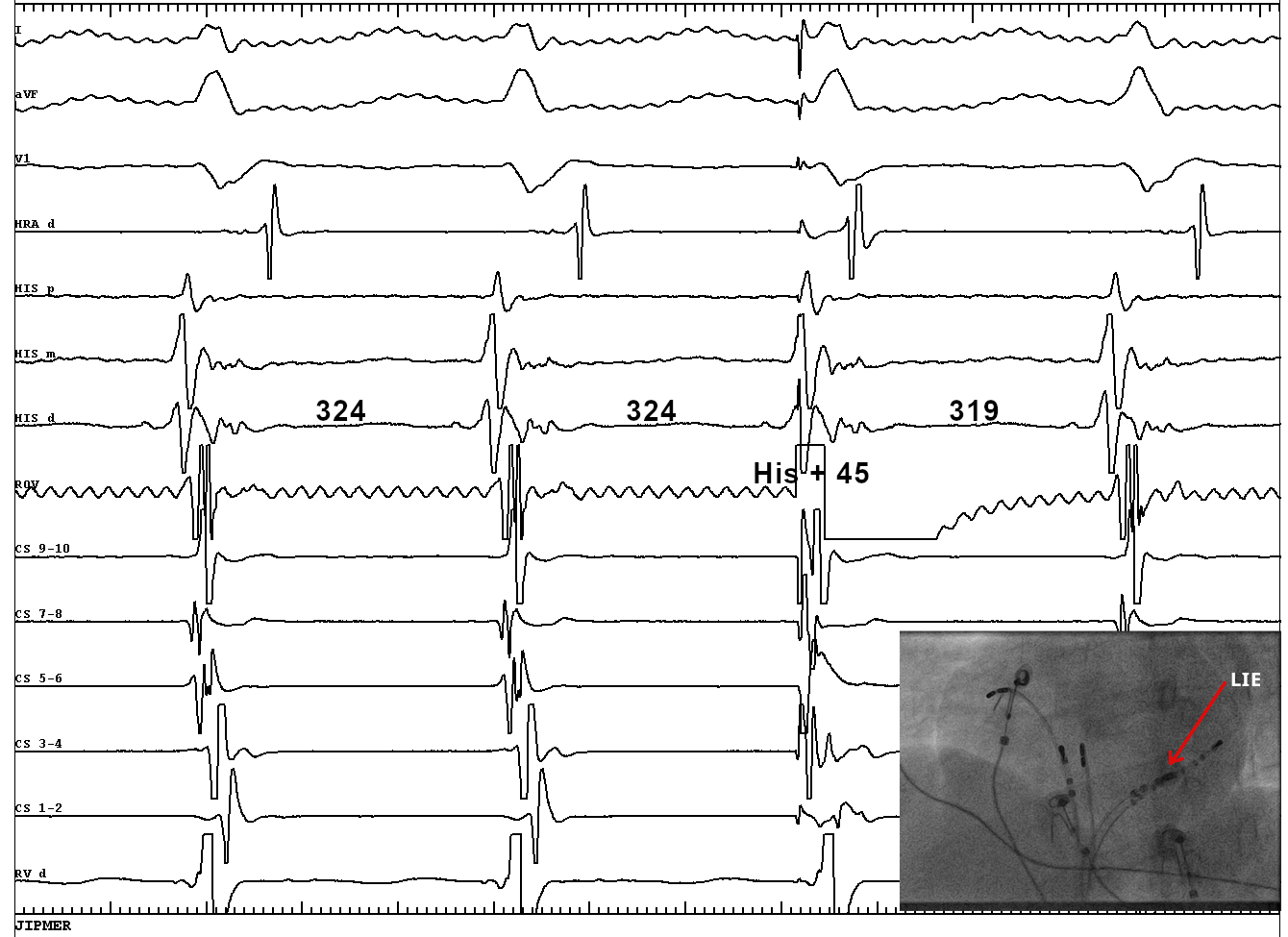
LIE ablation
- Two ablations within CS
- No junctionals
- Dual AV nodal physiology still present
- Tachycardia still inducible
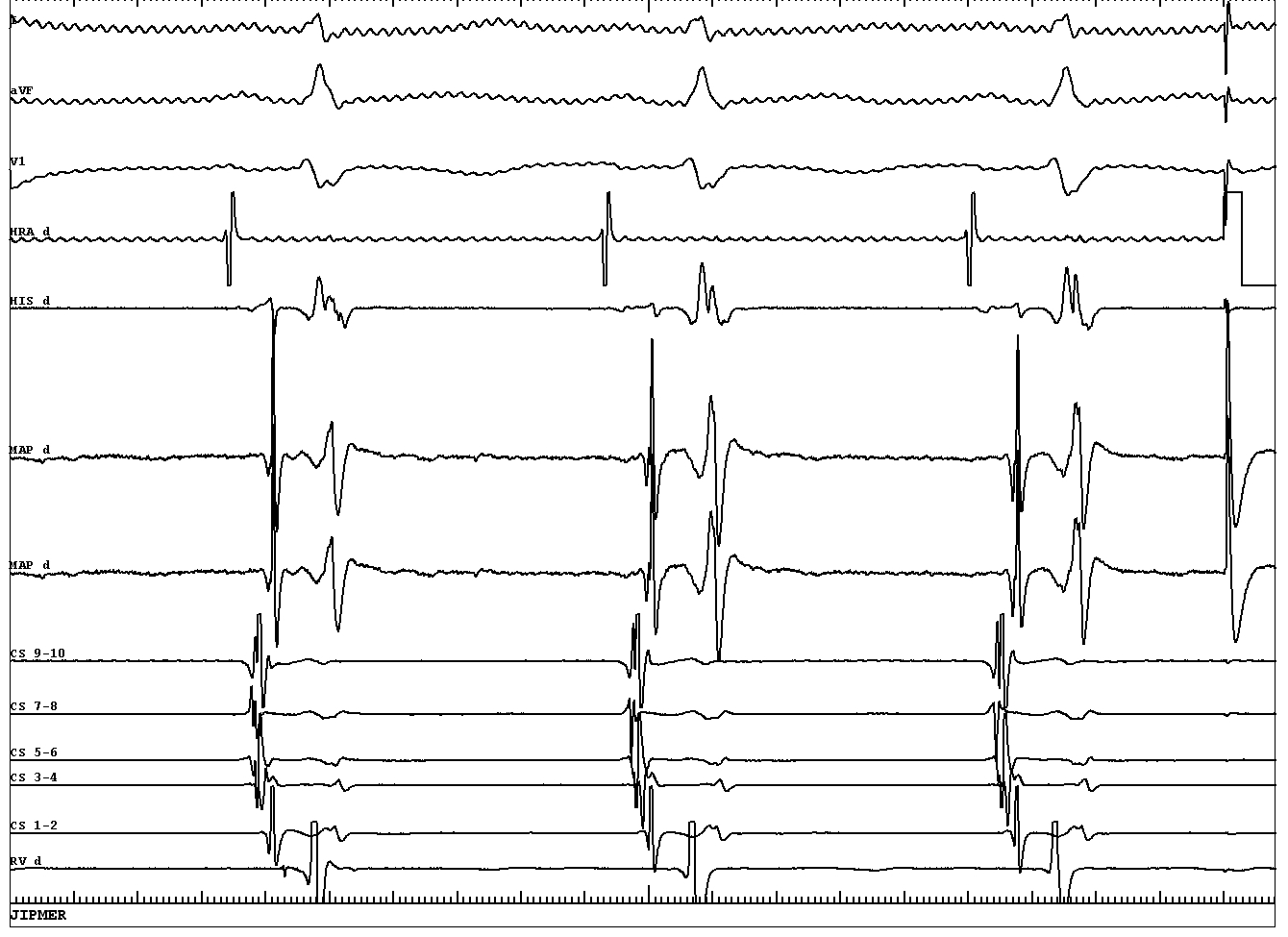
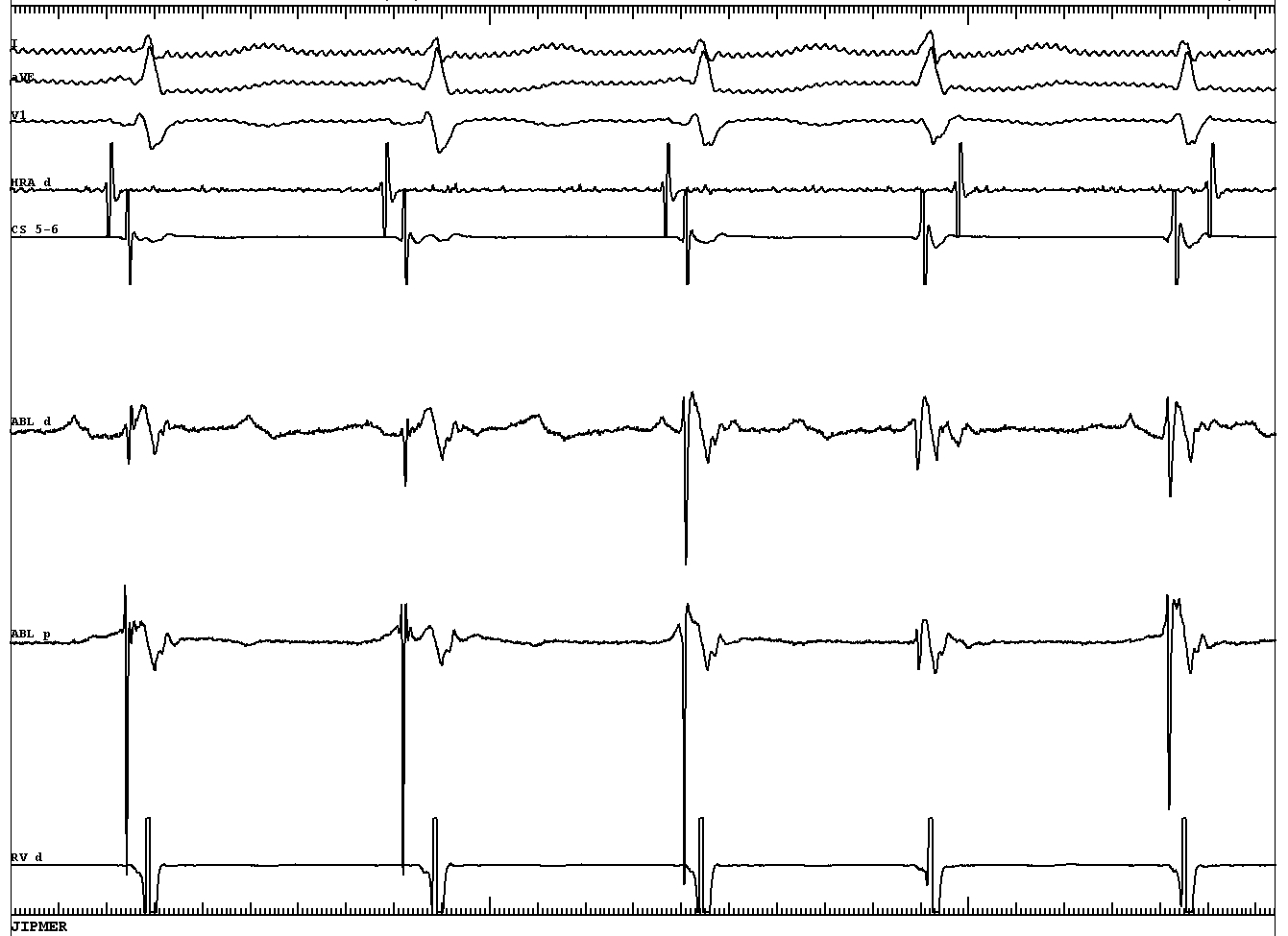
Post ablation
- No AH jump
- No tachycardia inducible
What have I learnt
- AVNRT as a set of different arrhythmias
- Retrograde slow pathway easier to map
- Antegrade slow pathway needs resetting to identify
- May not be required in de novo AVNRT ablation
- But with initial failed ablation, careful study essential
Inferolateral slow pathway
- Identified by reset from endocardial lateral MA
- May also show borderline reset from CS
- Junctional beats usually elicited
Approach to AVNRT