
Failed / Difficult ablation
- Inability to position the catheter (25%)
- Instability of the catheter (23%)
- Mapping error due to an oblique course (11%)
- Failure to recognize a posteroseptal pathway as left-sided (6%)
- Other errors in pathway localization (9%)
- Epicardial location (8%)
- Recurrent atrial fibrillation (3%)
- Occurrence of a complication (3%)
Morady F, Strickberger A, … Bogun F. Reasons for prolonged or failed attempts at radiofrequency catheter ablation of accessory pathways. J Am Coll Cardiol. 1996 ;27(3):683-9. doi: 10.1016/0735-1097(95)00493-9. v
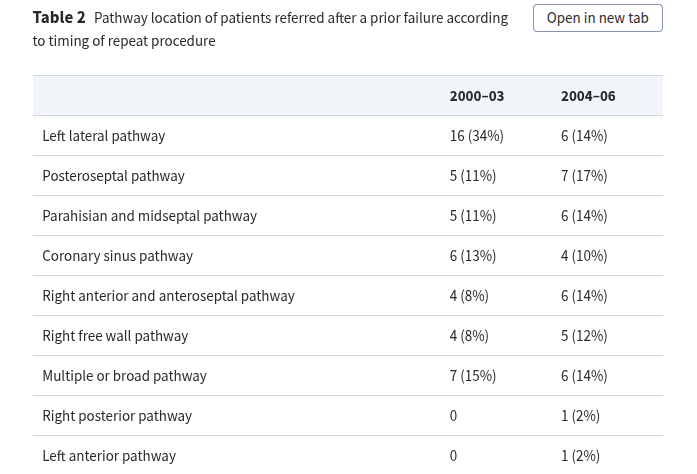
Ablation after prior failure - Multicenter experience
- Left lateral APs - Inaccurate mapping, lack of transseptal access (15)
- An irrigated-tip catheter was required for epicardial APs (7)
- Posteroseptal APs required bi-atrial and CS applications (7)
- For parahisian and midseptal APs, RF cautiously titrated (3)
- Cryoablation (7) (recurrences in 3)
- Irrigated ablation in the CS
- Anteroseptal and right lateral APs, long sheaths (5), left subclavian approach (anteroseptal, n = 4).
Frederic Sacher, .. William G. Stevenson, Michel Haissaguerre, Wolff–Parkinson–White ablation after a prior failure: a 7-year multicentre experience, EP Europace 2010; 12(6): 835–841, https://doi.org/10.1093/europace/euq050
Access / stability
Transseptal access for left lateral pathways
Morady F, Strickberger A, … Bogun F. Reasons for prolonged or failed attempts at radiofrequency catheter ablation of accessory pathways. J Am Coll Cardiol. 1996 ;27(3):683-9. doi: 10.1016/0735-1097(95)00493-9. v
Sheath
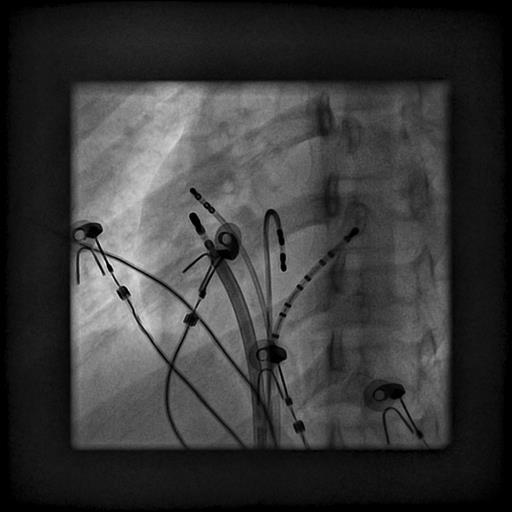
Entrain when ablating free wall AP during tachycardia
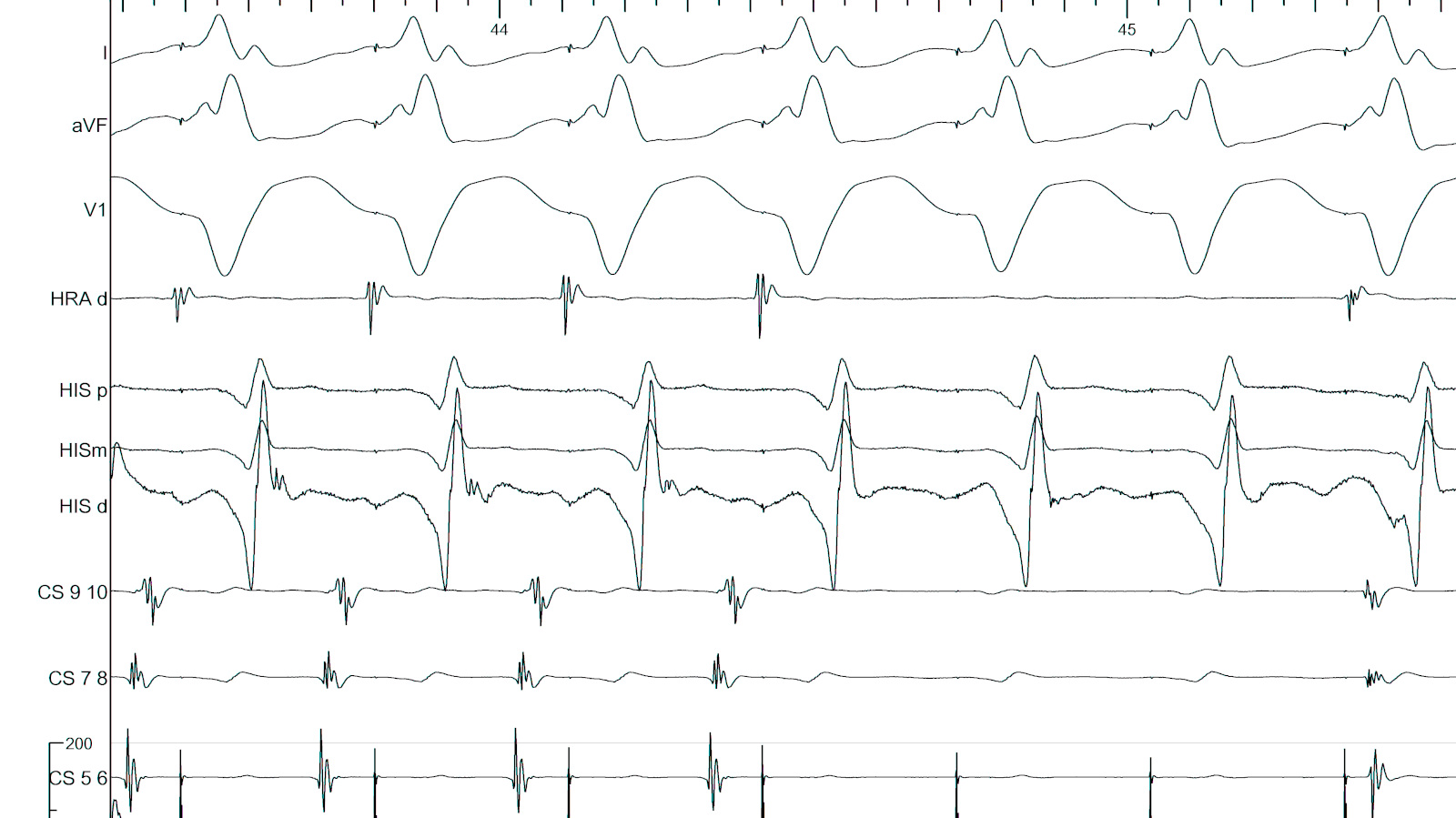
LV catheter for pacing
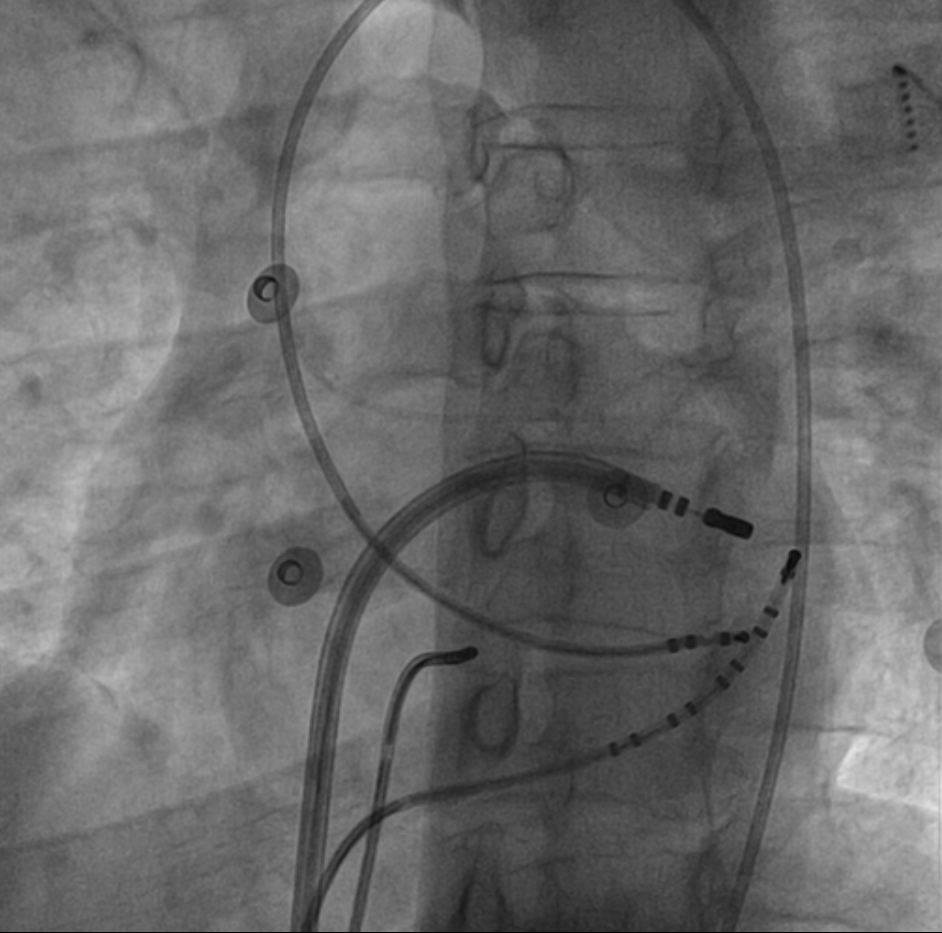
Superior access
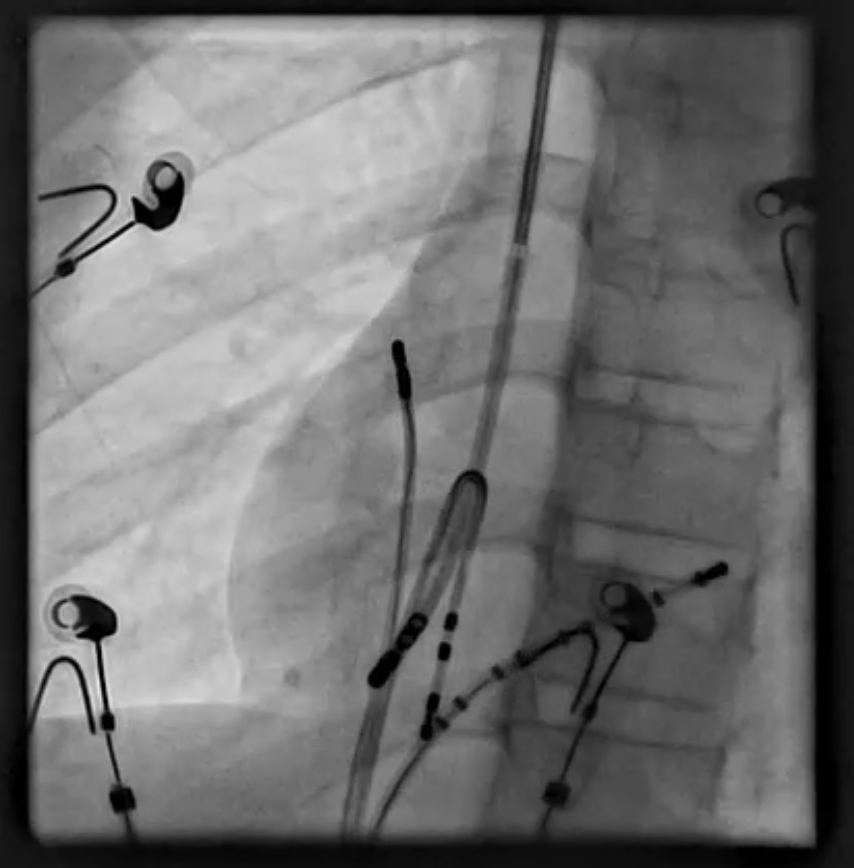
Under valve approach
Yang J, Yang G, Chen H, Ju W, Yang B, Zhang F, Jin Y, Cao J, Qian L, Chen M. An alternative under-valve approach to ablate right-sided accessory pathways. Heart Rhythm. 2019 Jan;16(1):51-56. doi: 10.1016/j.hrthm.2018.07.022. Epub 2018 Jul 19. PMID: 30031200.
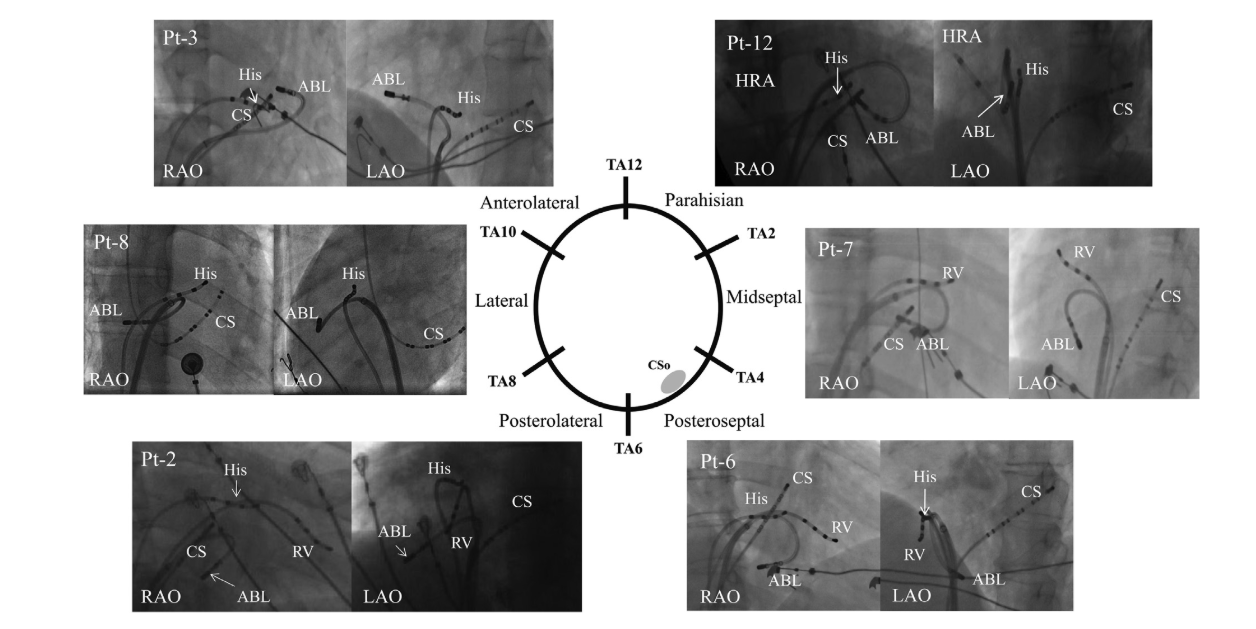
U curve for stability
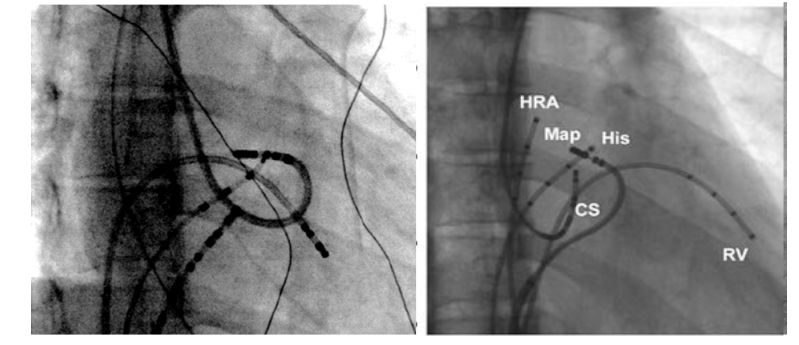
Signal interpretation
EGM setup
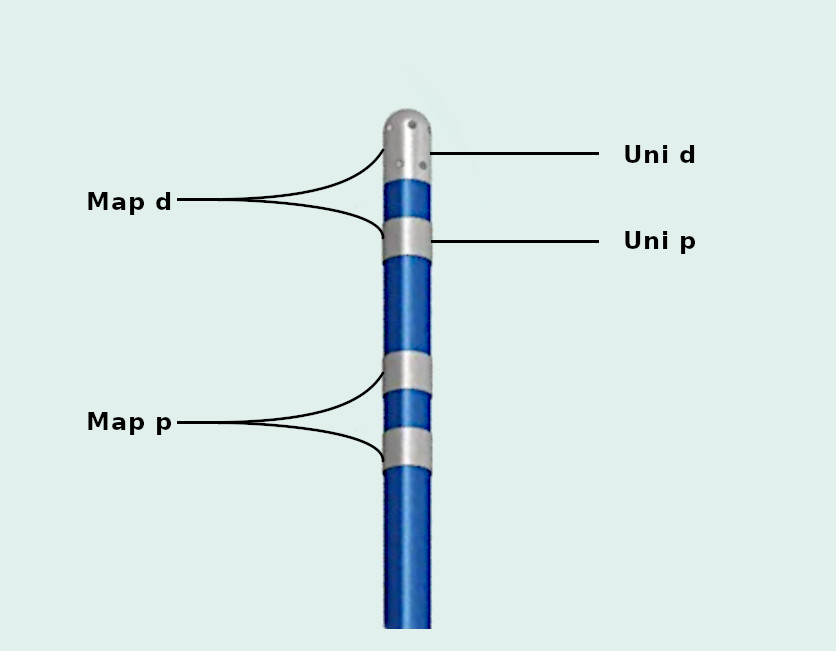
EGM set up
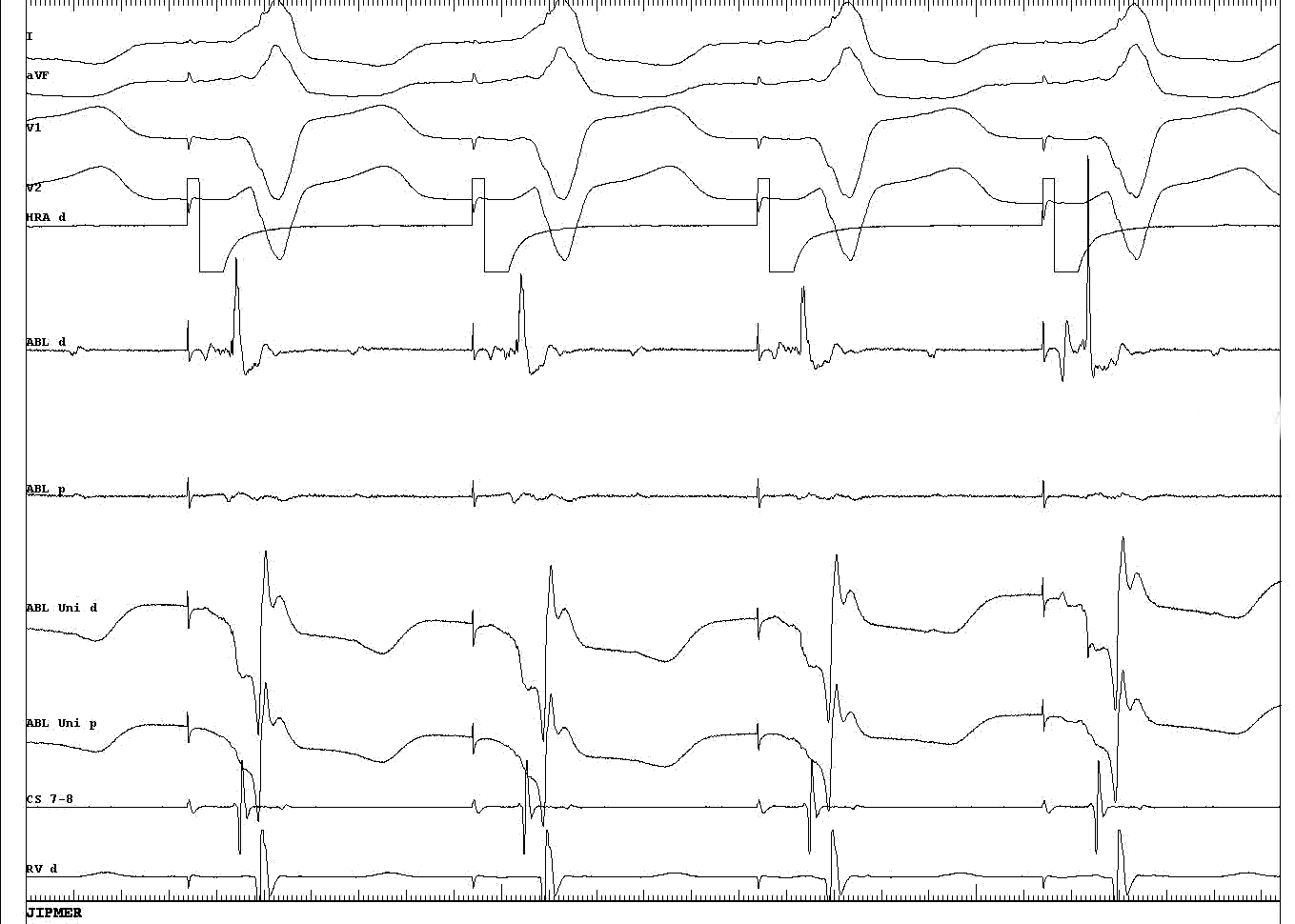
Earliest A or shortest VA ?
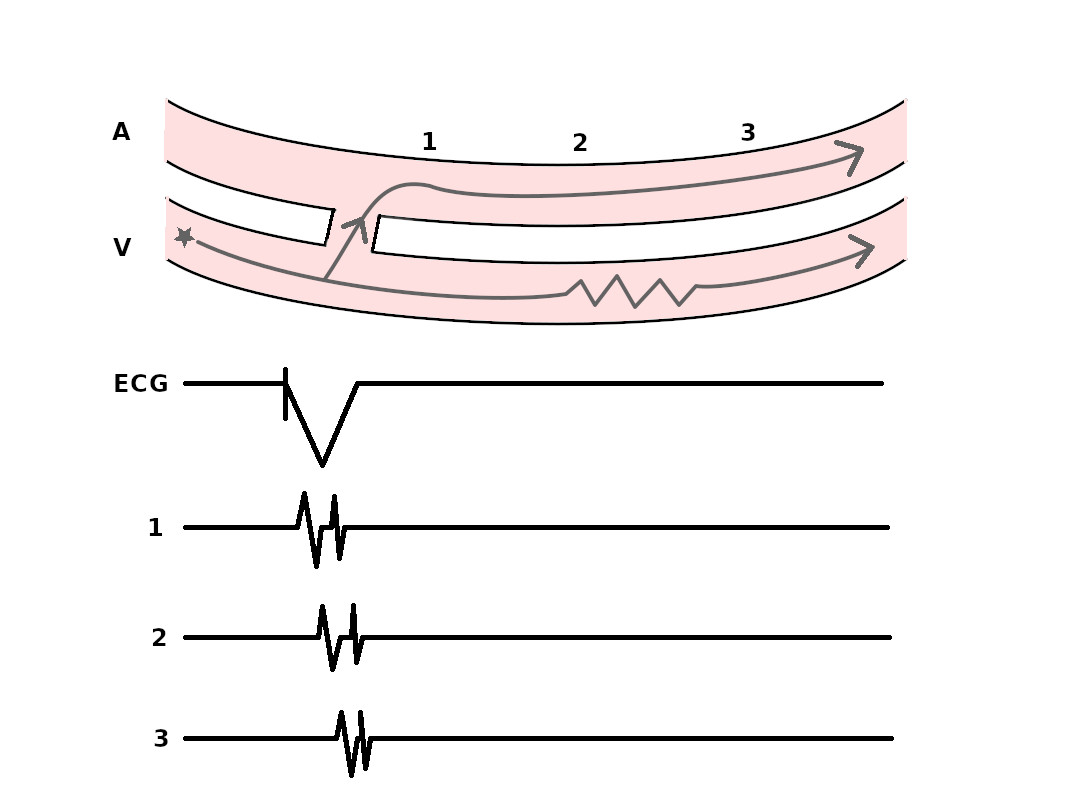
Earliest A or Potential ?
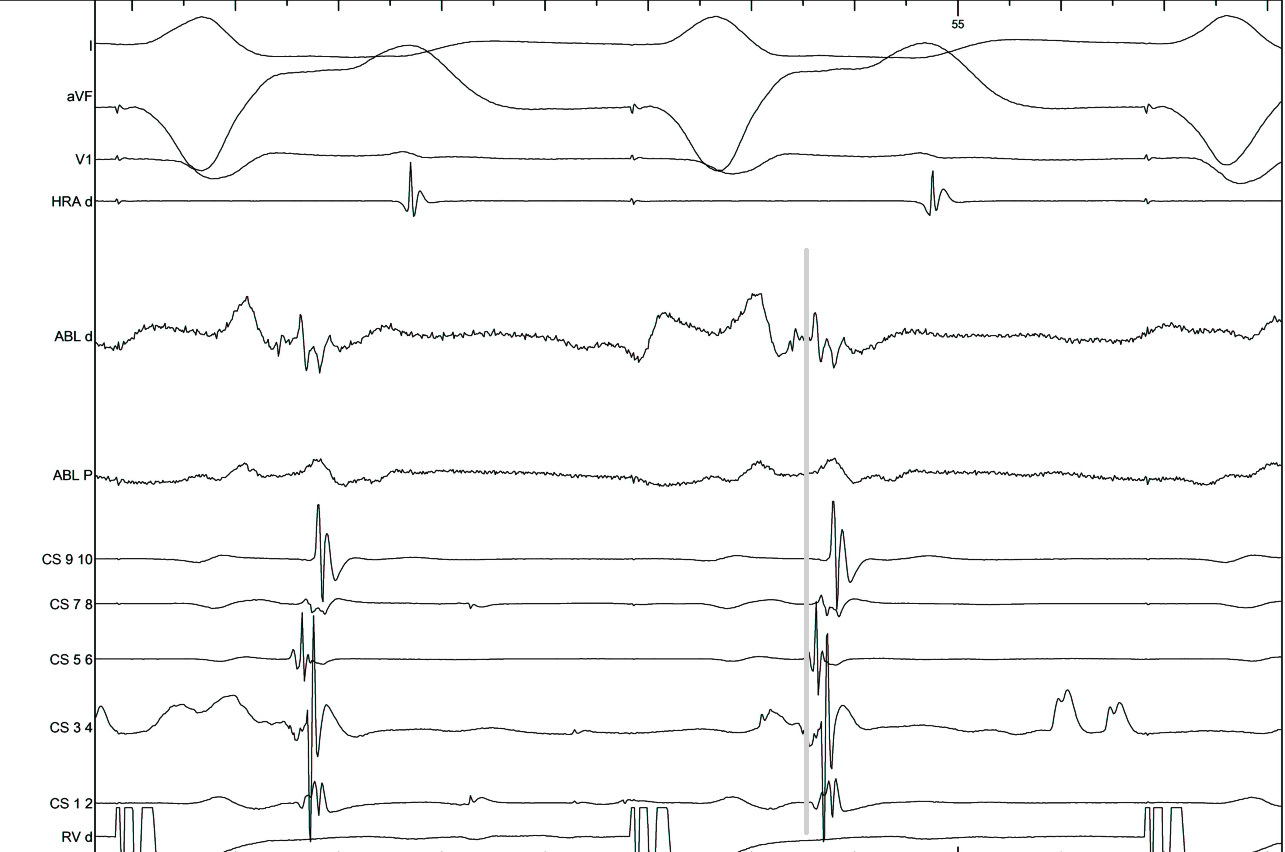
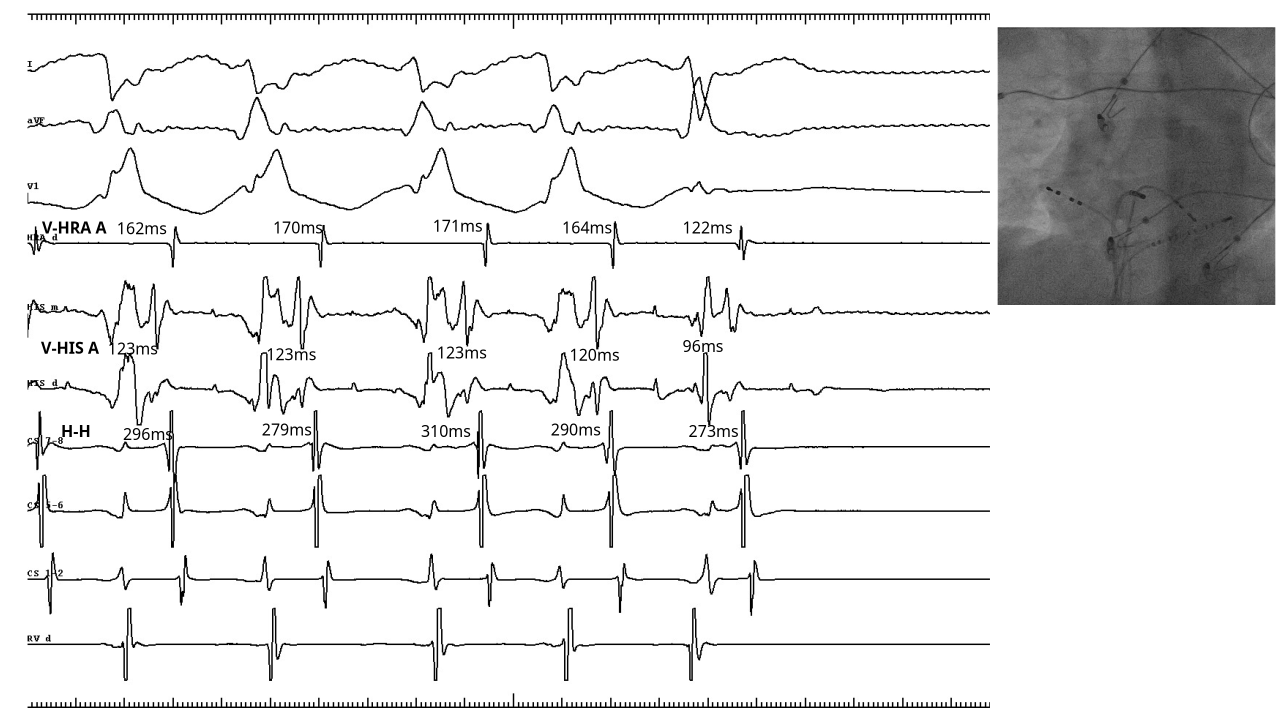
Slanted pathway
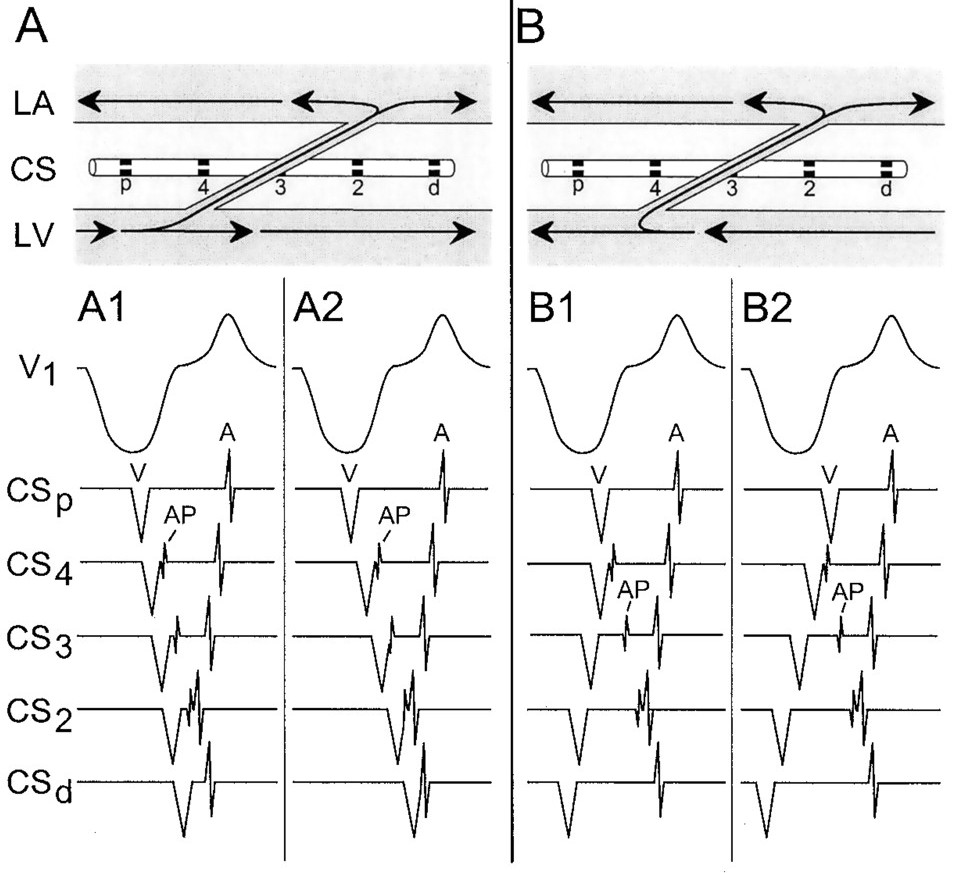
Otomo K, … Jackman WM. Reversing the direction of paced ventricular and atrial wavefronts reveals an oblique course in accessory AV pathways and improves localization for catheter ablation. Circulation. 2001 Jul 31;104(5):550-6. doi: 10.1161/hc3001.093499.
The “isolated AP potential” identifies the middle of the AP and is the ideal target for ablation
Warren Jackman
Accessory pathway recording and ablation. Heart Rhythm, Vol 18, No 5, May 2021;834, https://doi.org/10.1016/j.hrthm.2021.01.008
Difficult locations
Posteroseptal AP
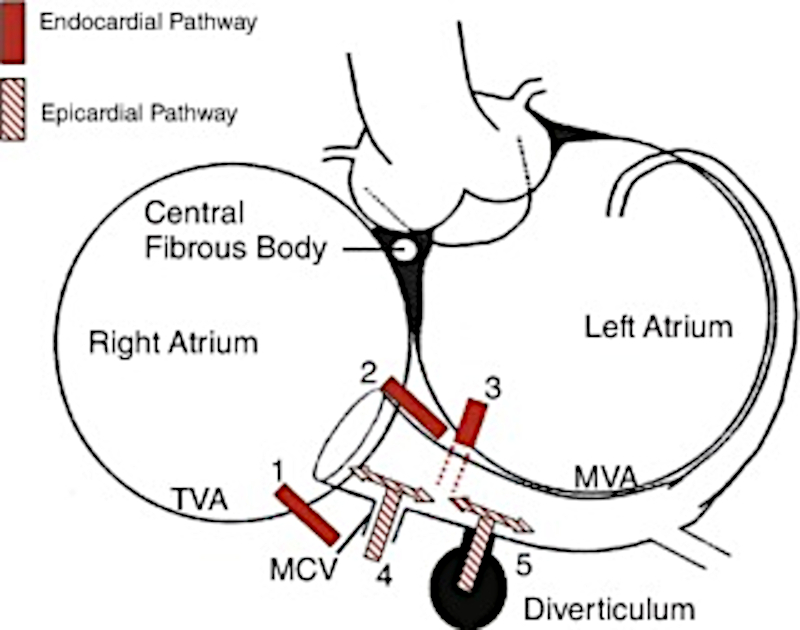
Huang's Catheter ablation of cardiac arrhythmias
Mapping in CS diverticulum - CSE potential most important
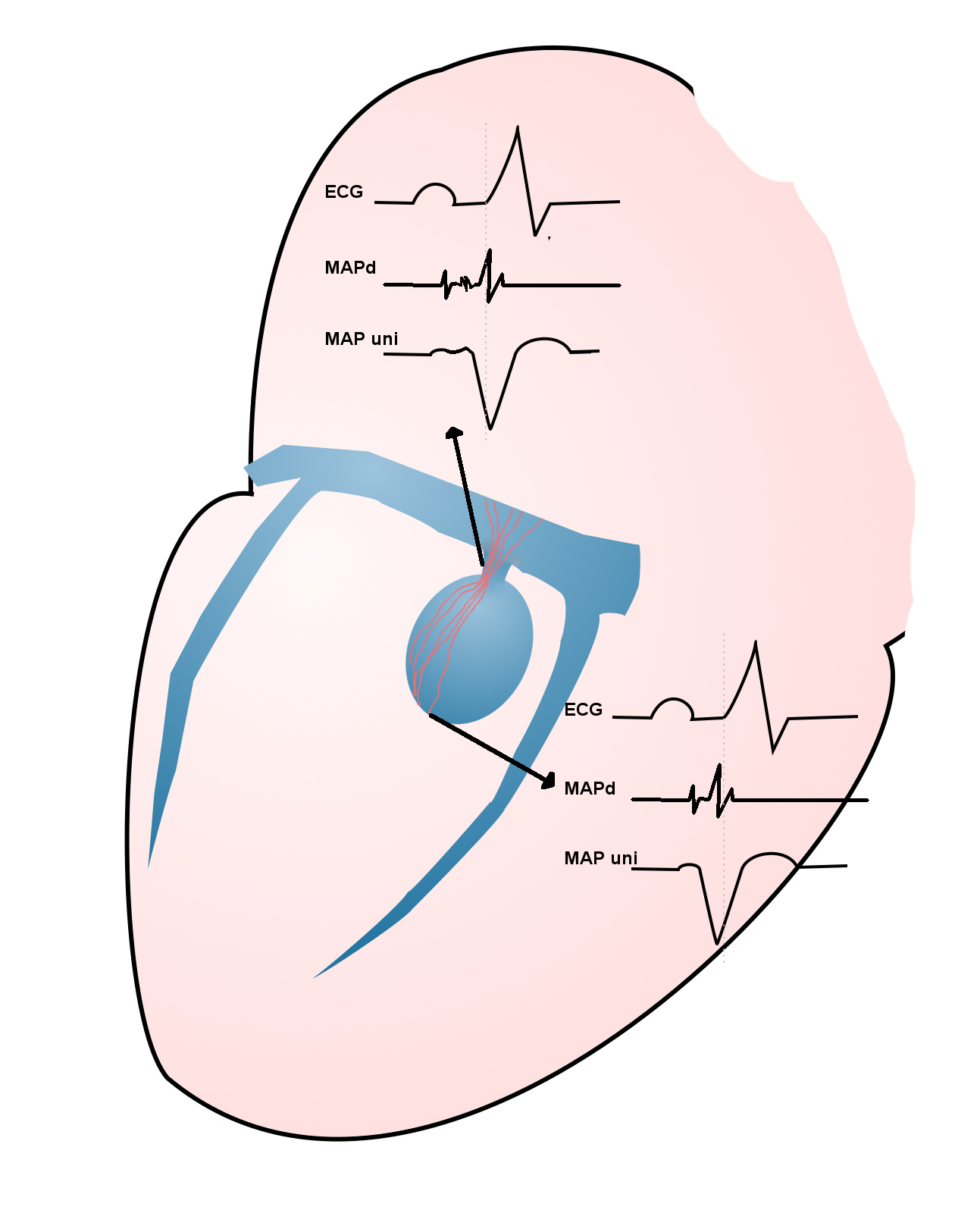
Selvaraj RJ et al. Radiofrequency ablation of posteroseptal accessory pathways associated with coronary sinus diverticula. J Interv Card Electrophysiol. 2016 Nov;47(2):253-259. doi: 10.1007/s10840-016-0113-x.
In absence of diverticulum, map along tributaries
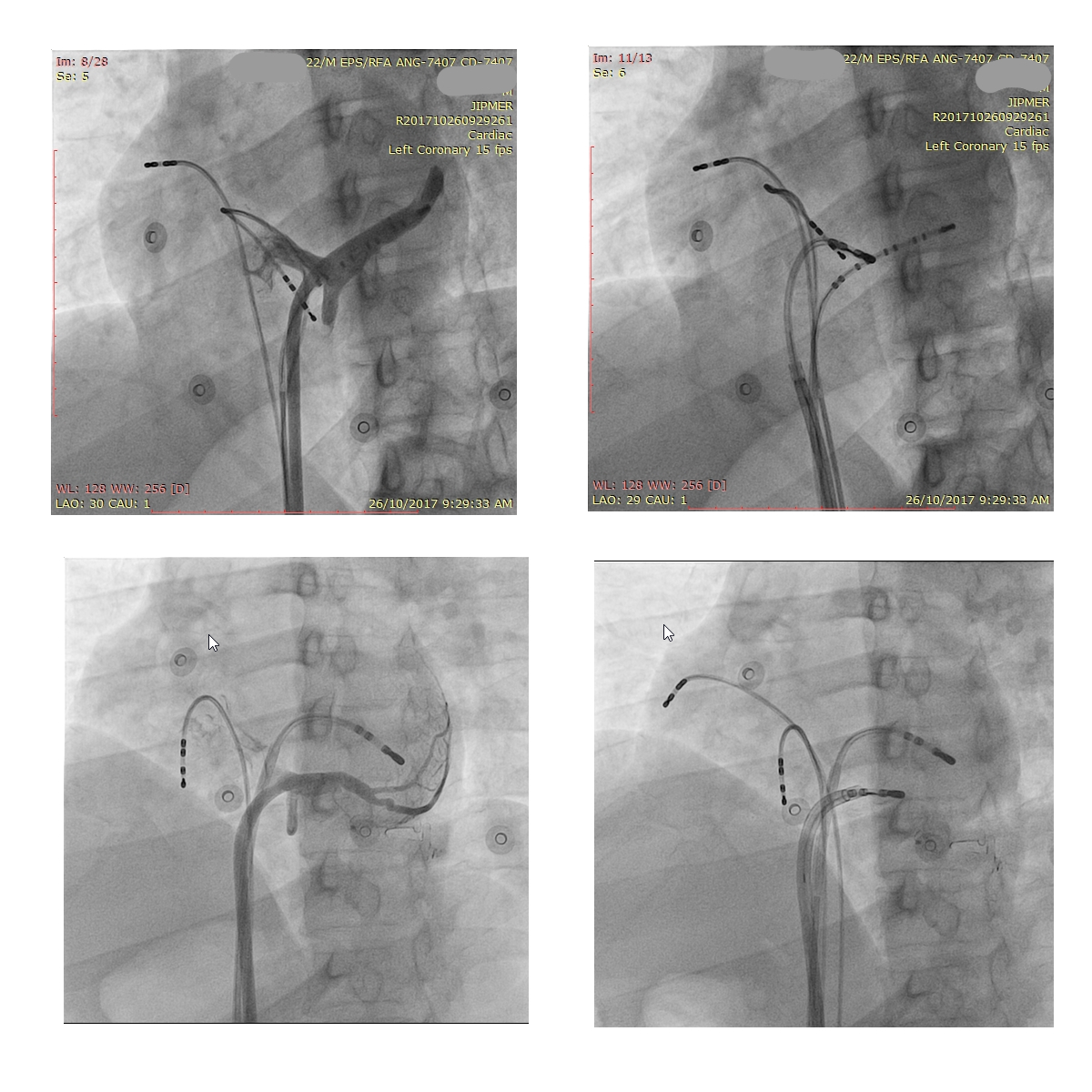
Multiple AP
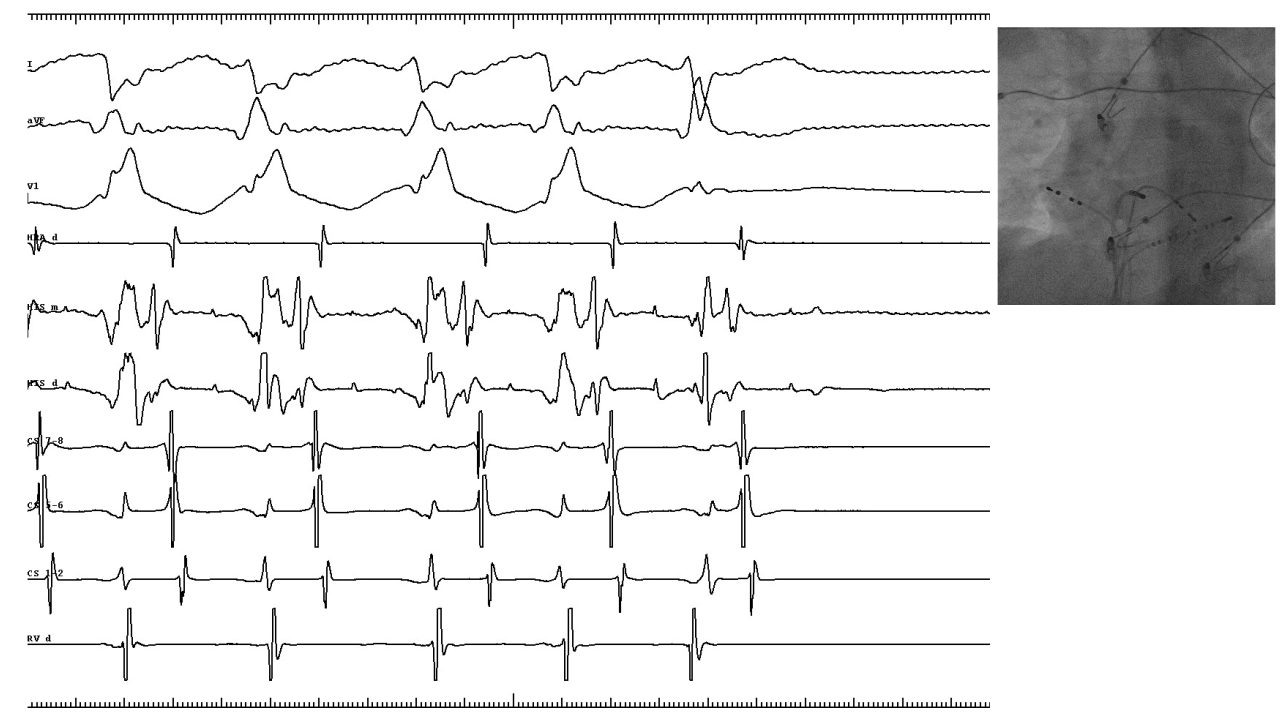
Multiple AP
Non annular location of AP
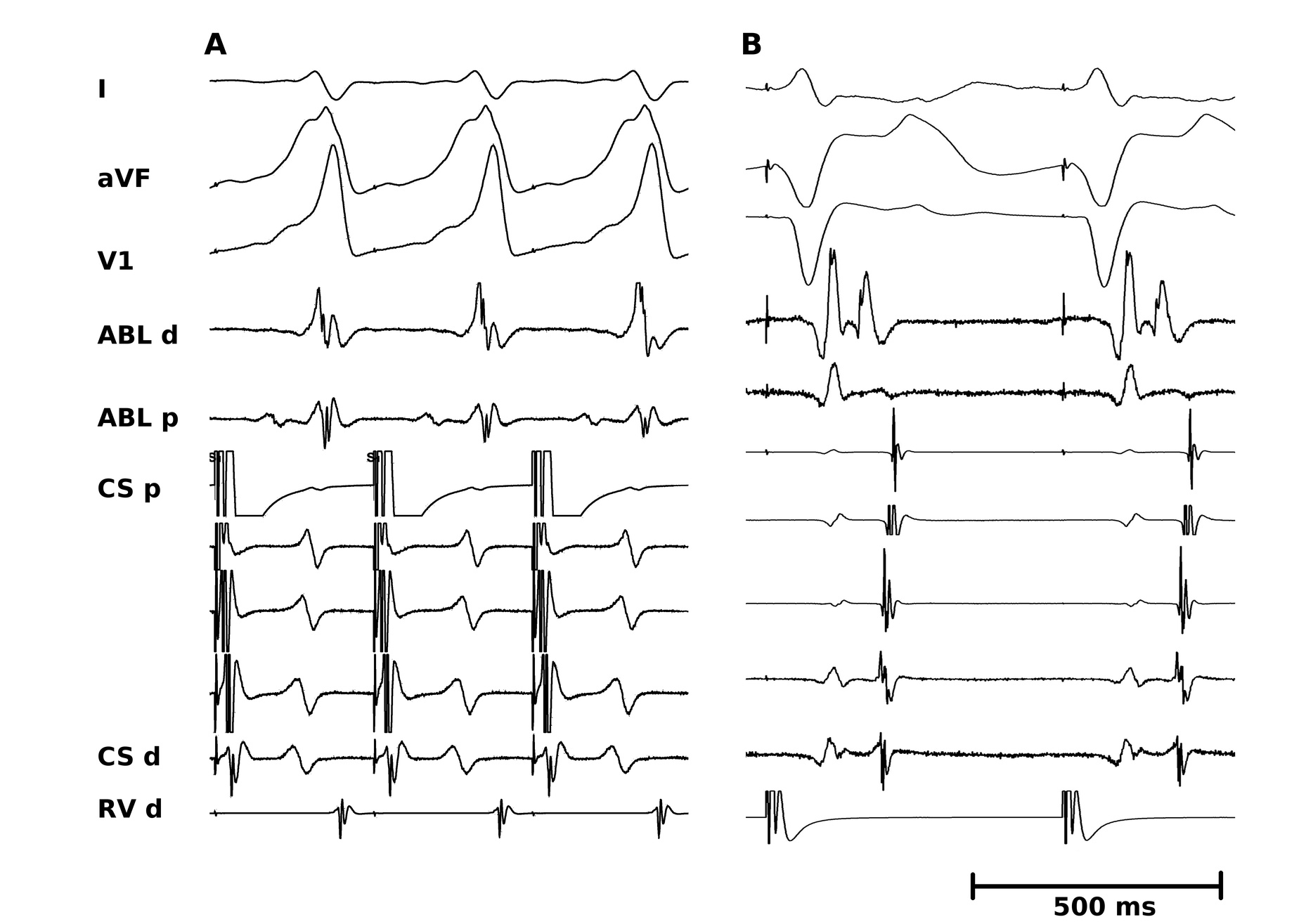
Jagadheesan KS, Rangasamy S, Selvaraj RJ. A deadly mix - rheumatic mitral stenosis, preexcited atrial fibrillation, left atrial appendage thrombus and left atrial appendage accessory pathway. Indian Pacing Electrophysiol J. 2017 Nov-Dec;17(6):183-185. doi: 10.1016/j.ipej.2017.09.001.
Non annular location of AP
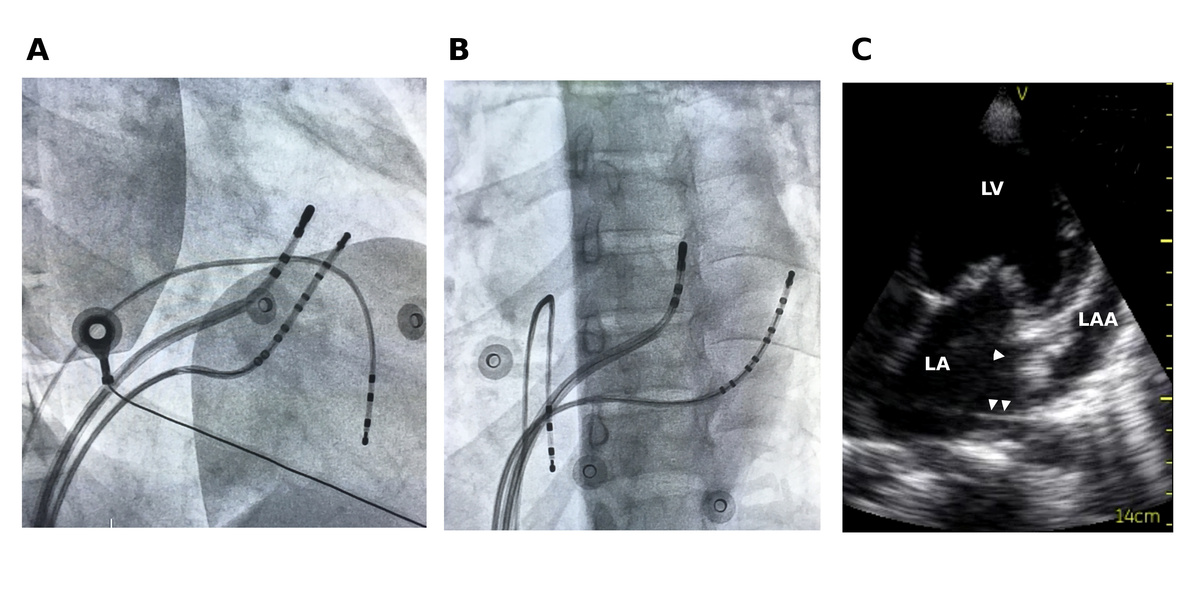
Appendage pathways
- RAA to RV
- LAA to LV
- Endocardial ablation from within AA may be difficult
- Epicardial approach may be required
- Proximity of major coronary arteries to LAA
Complications
Avoiding complications
- AV block in septal pathways
- Coronary injury
Antero- / MidSeptal AP ablation
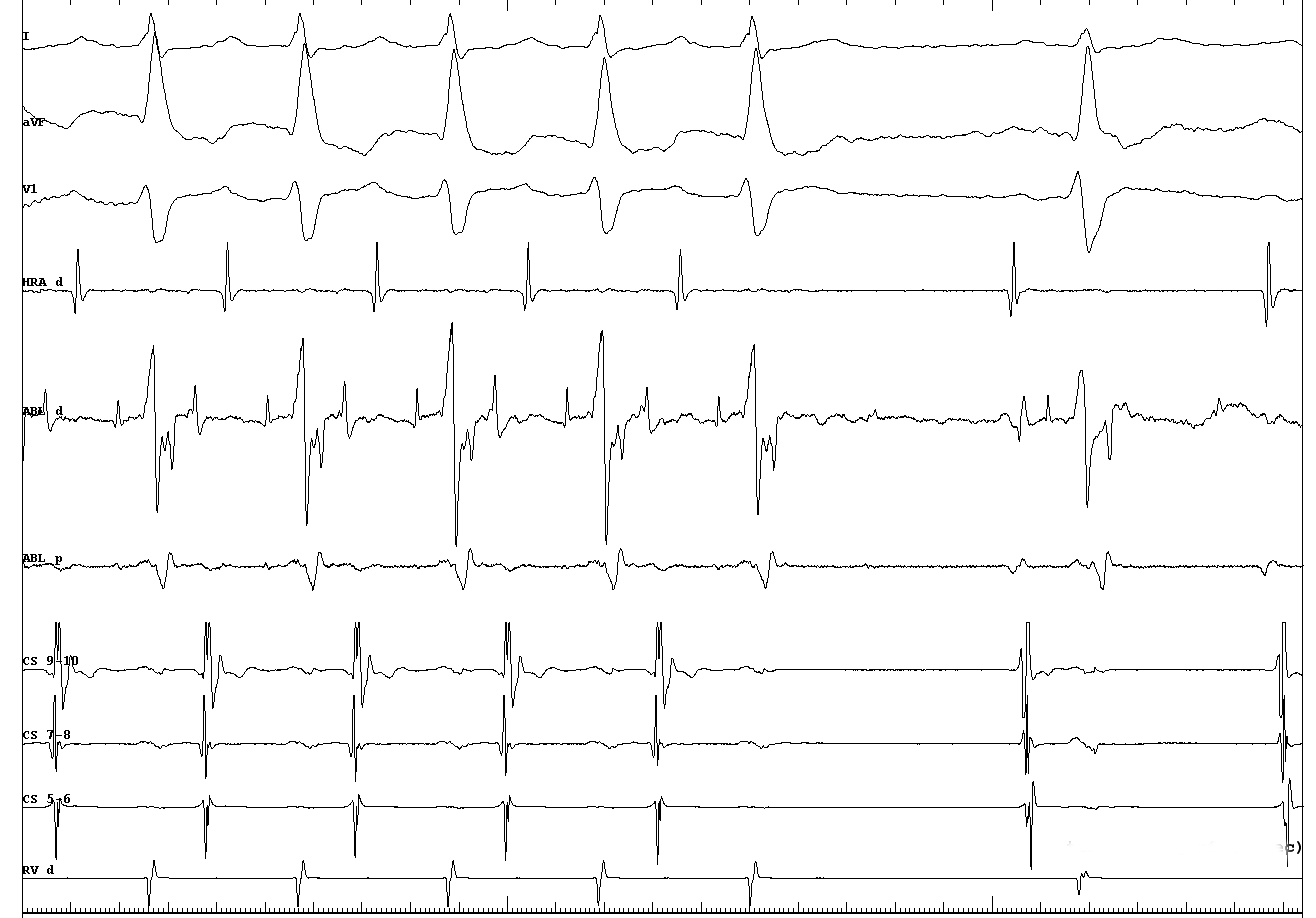
Ablation from NCC
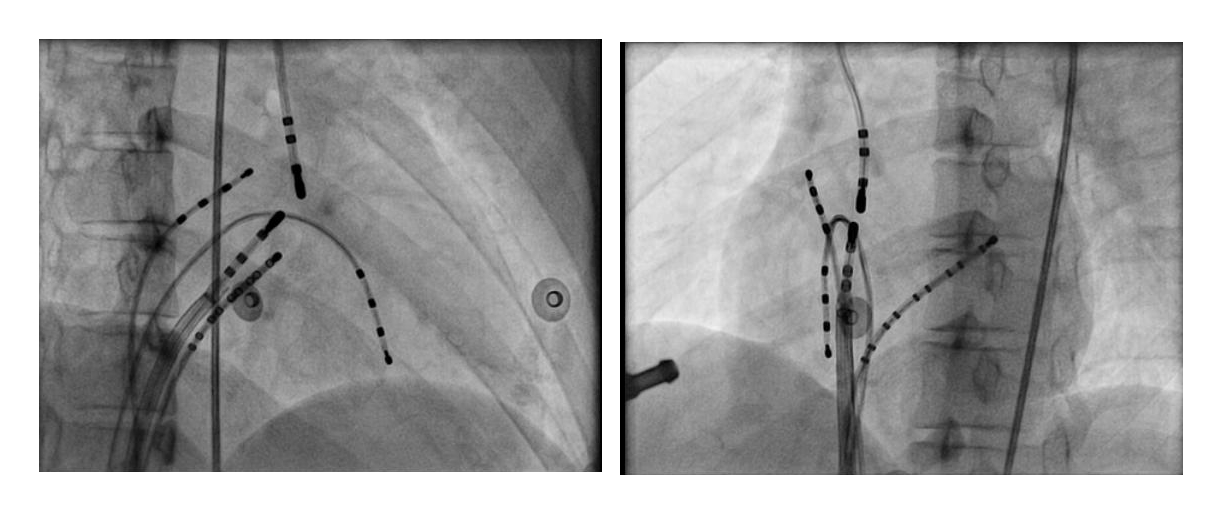
Other ablation techniques
Irrigated ablation
- Deeper lesion
- Effective lesion where blood flow is inadequate
Cryoablation
- Safer ablation in septal pathways
- Higher recurrence rate
RF ablation vs Cryoablation
- Acute success similar (93% vs. 87%)
- No AV block
- Less recurrence (14% vs. 30%)
- Less mechanical trauma (6% vs. 20%)
Dos Santos Sousa et al. Comparison between cryotherapy and radiofrequency energy sources for parahisian accessory pathway percutaneous ablation. J Interv Card Electrophysiol. 2024 Dec;67(9):1981-1991. doi: 10.1007/s10840-024-01841-8.
Bipolar ablation
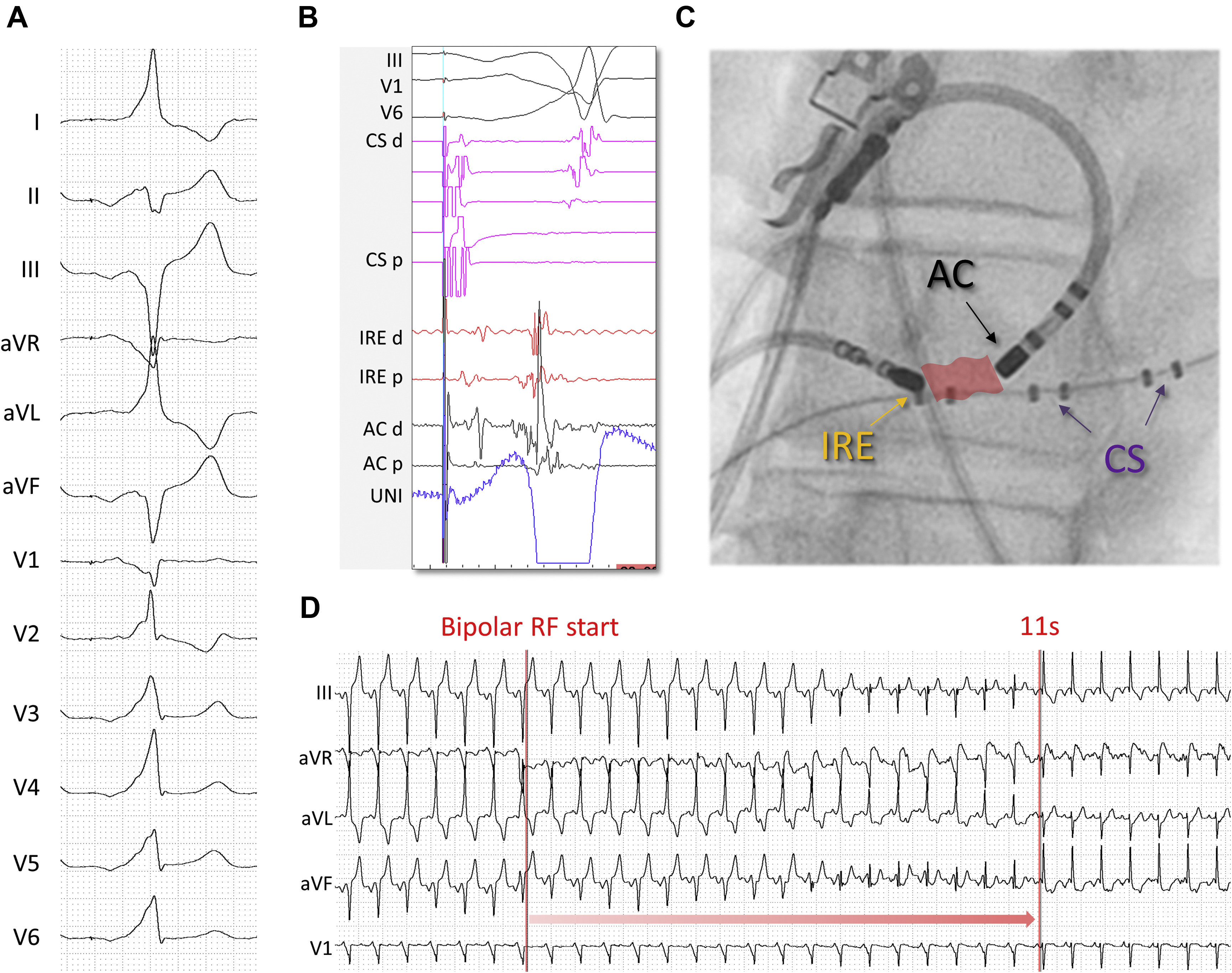
- Bashir Y, … Ward DE. Radiofrequency current delivery by way of a bipolar tricuspid annulus-mitral annulus electrode configuration for ablation of posteroseptal accessory pathways. J Am Coll Cardiol. 1993 Aug;22(2):550-6. doi: 10.1016/0735-1097(93)90063-7.
- Futyma P, Kułakowski P. Bipolar ablation of high-risk posteroseptal accessory pathway: Back to the future. HeartRhythm Case Reports, 2019; 6, 166-168
Summary
- Accurate mapping
- Catheter stability
- Ablation including unconventional methods
- Avoiding complications