
What we will discuss
- Making the correct diagnosis
- AVNRT using RIE - Addressing causes of failed ablation
- AVNRT using non RIE slow pathway - Identification and ablation
- Fast pathway ablation
- Use of electroanatomical mapping
Making the correct diagnosis
Diagnosis of AVNRT
- Narrow QRS / Wide QRS with normal HV
- 1:1 VA, could be different
- Short VA, could be variable
- VAV response with VOP
- cPPI-TCL > 115
Difficult diagnosis
- VA > 70, AVNRT vs AVRT (concealed septal AP)
- VOP - cPPI-TCL, SA-VA, VA dissociation
- His refractory PVCs
- Maneuvers in sinus rhythm to identify AP
- Unable to perform VOP - AVNRT vs AT
AVNRT or AT - VOP does not entrain
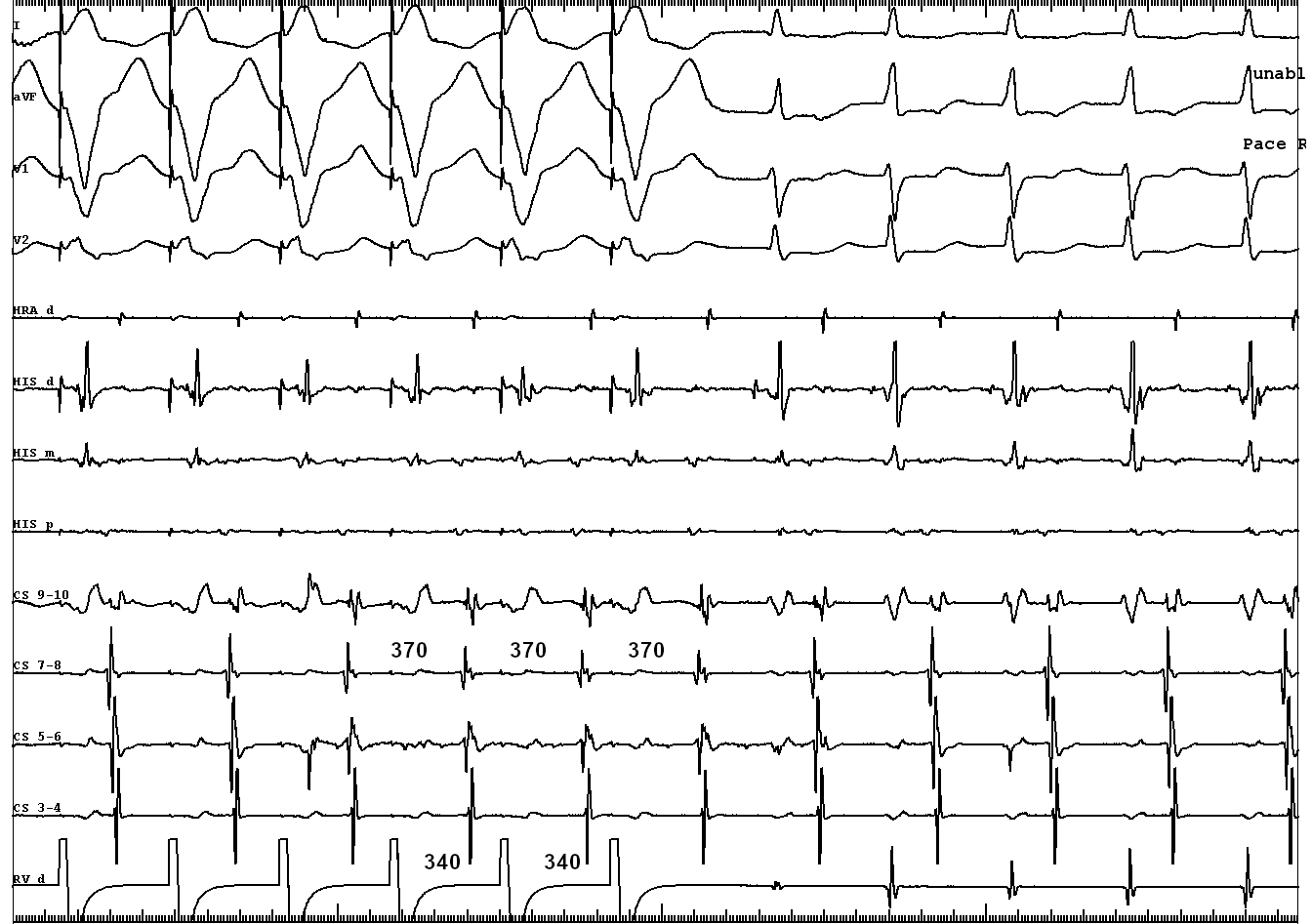
AVNRT vs AT (unable to perform VOP)
- VA linking
- AH during tachycardia versus pacing
- Adenosine
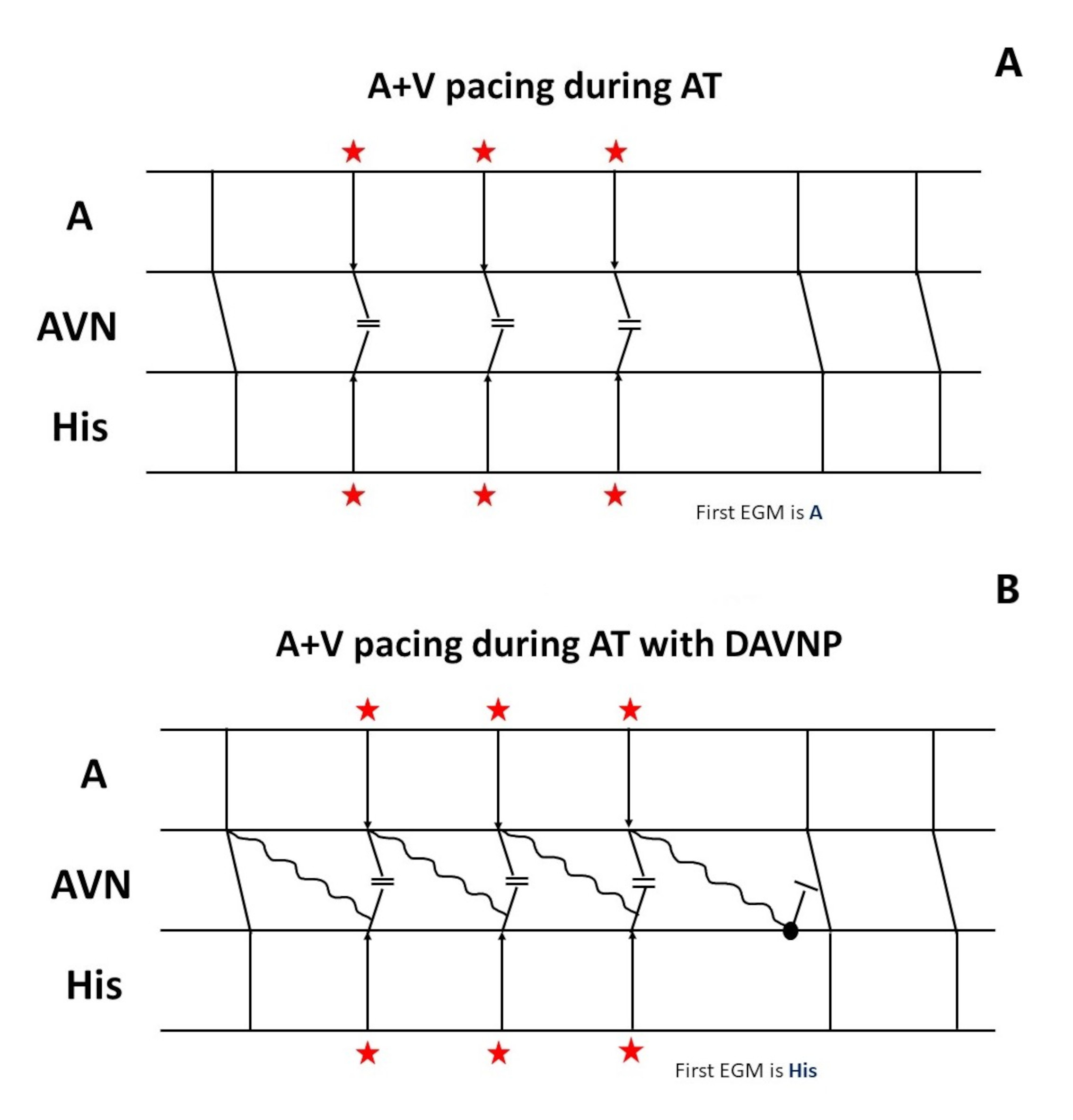
- Simultaneous AV pacing
- ? differential PPI
AVNRT or AT - Simultaneous AV pacing
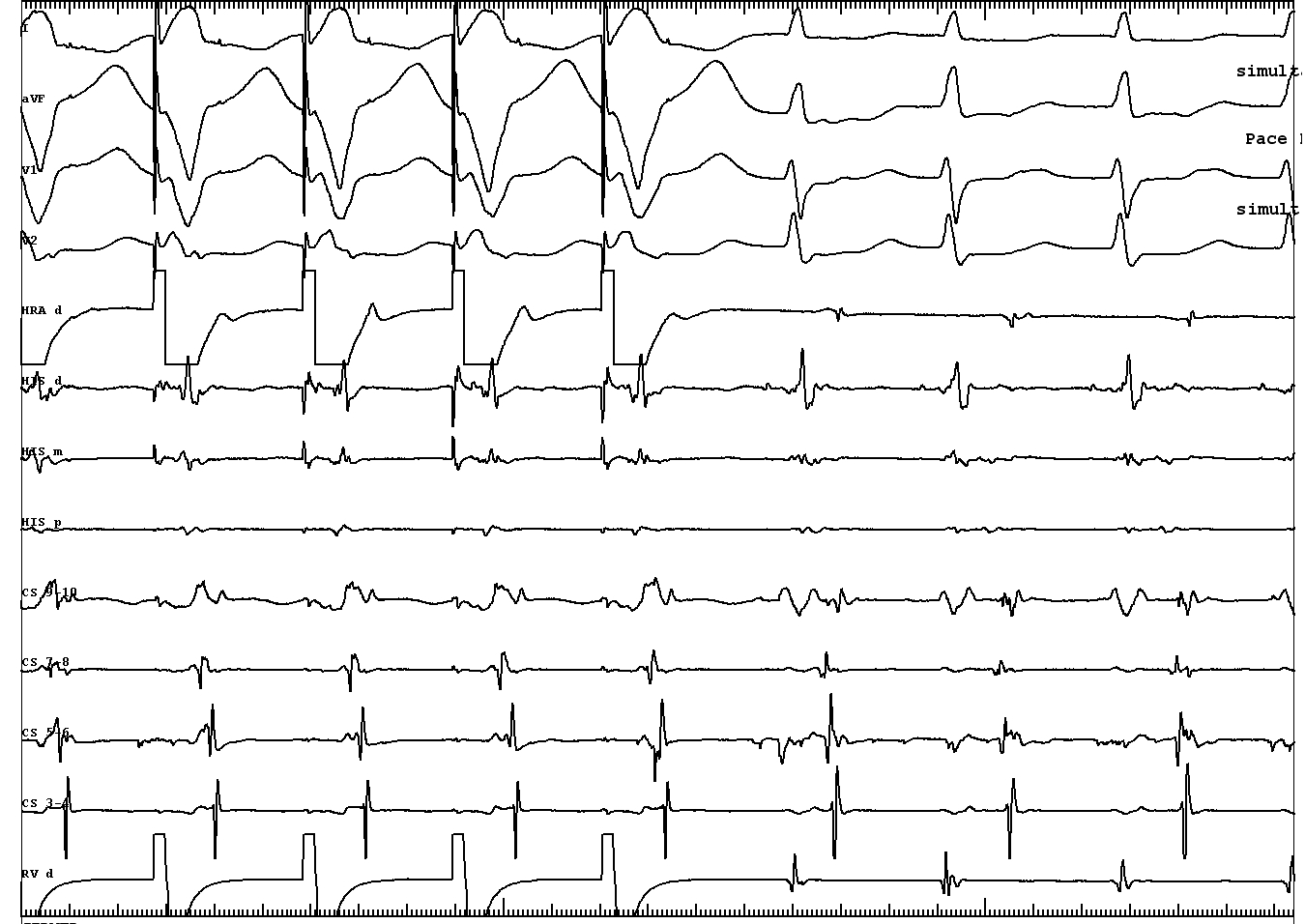
AVNRT or AT - Simultaneous AV pacing

AVNRT or AT - Simultaneous AV pacing
JT or AVNRT
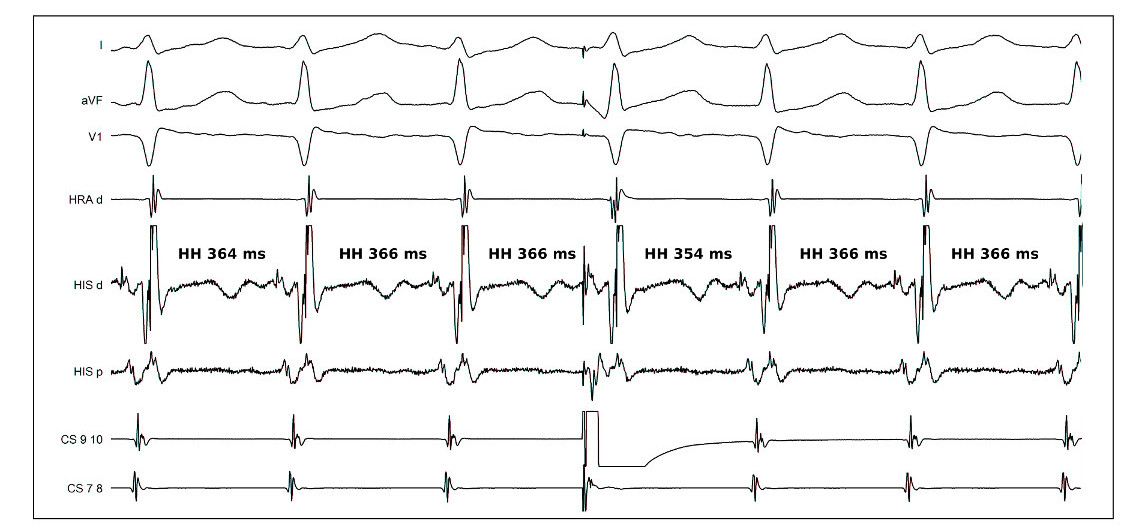
JT or AVNRT
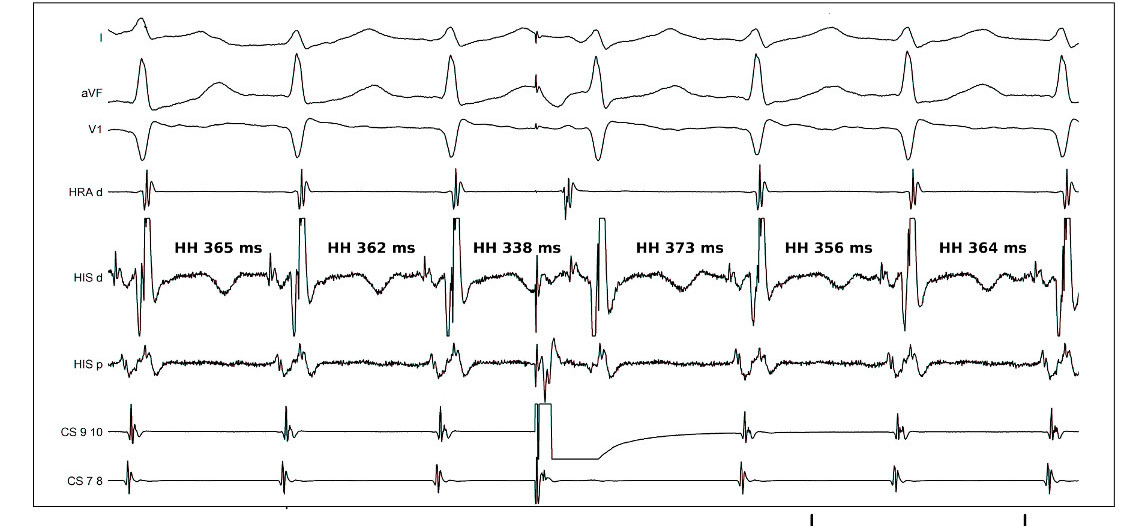
NV / NF ORT

Correct diagnosis - RIE ablation fails
RIE ablation
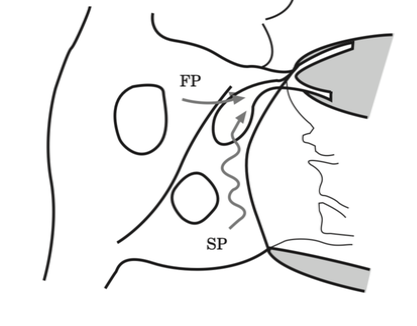
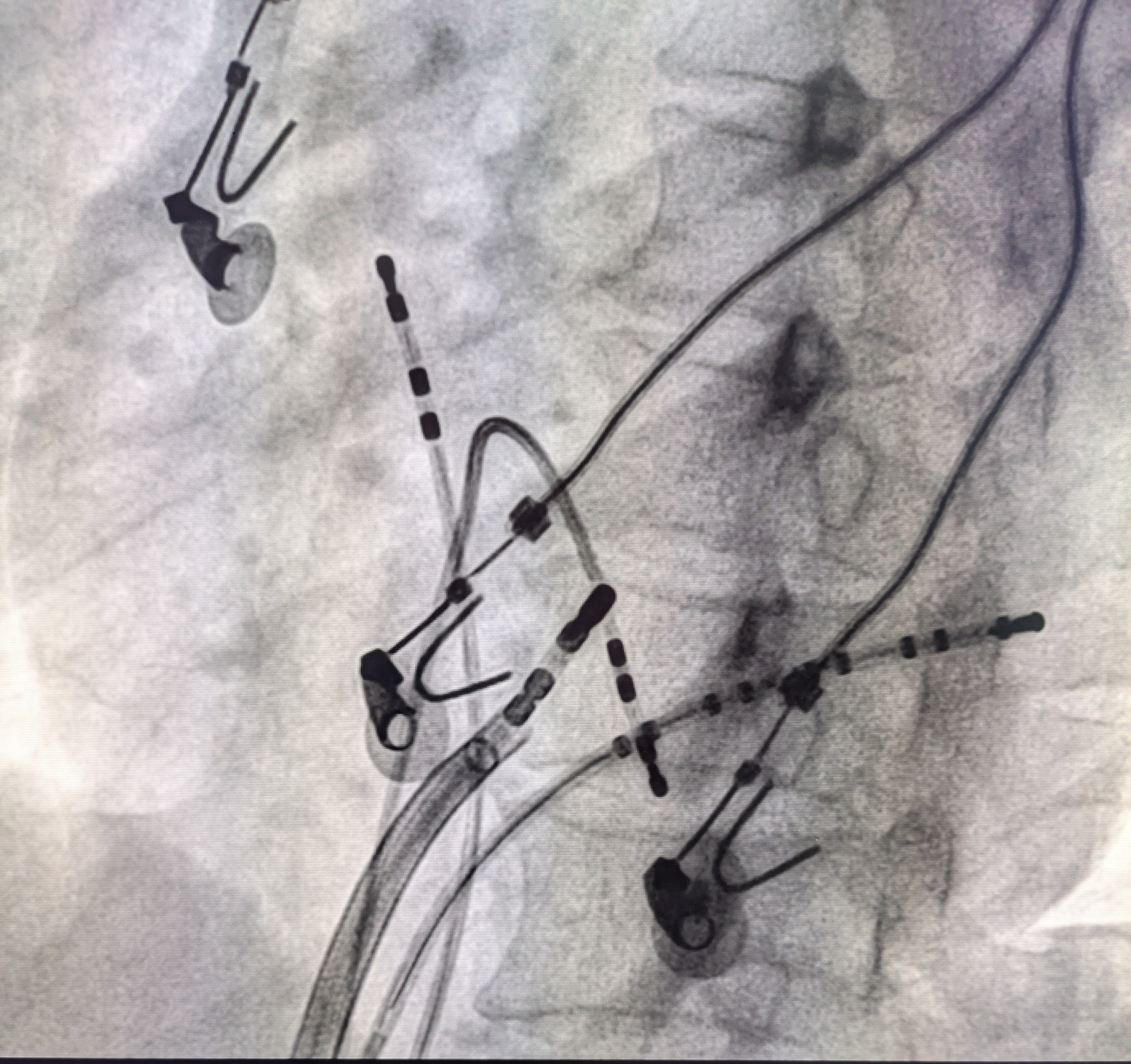
Most common reason for failure - Poor stability
- Fluoroscopic appearance, EGM and impedance stability, impedance fall during ablation
- Use a sheath
- SR0 / Agilis
- Sedation / GA / Cryo
Improving contact
VA block during junctionals

VA block during junctionals

Non RIE slow pathway
Other slow AV nodal inputs
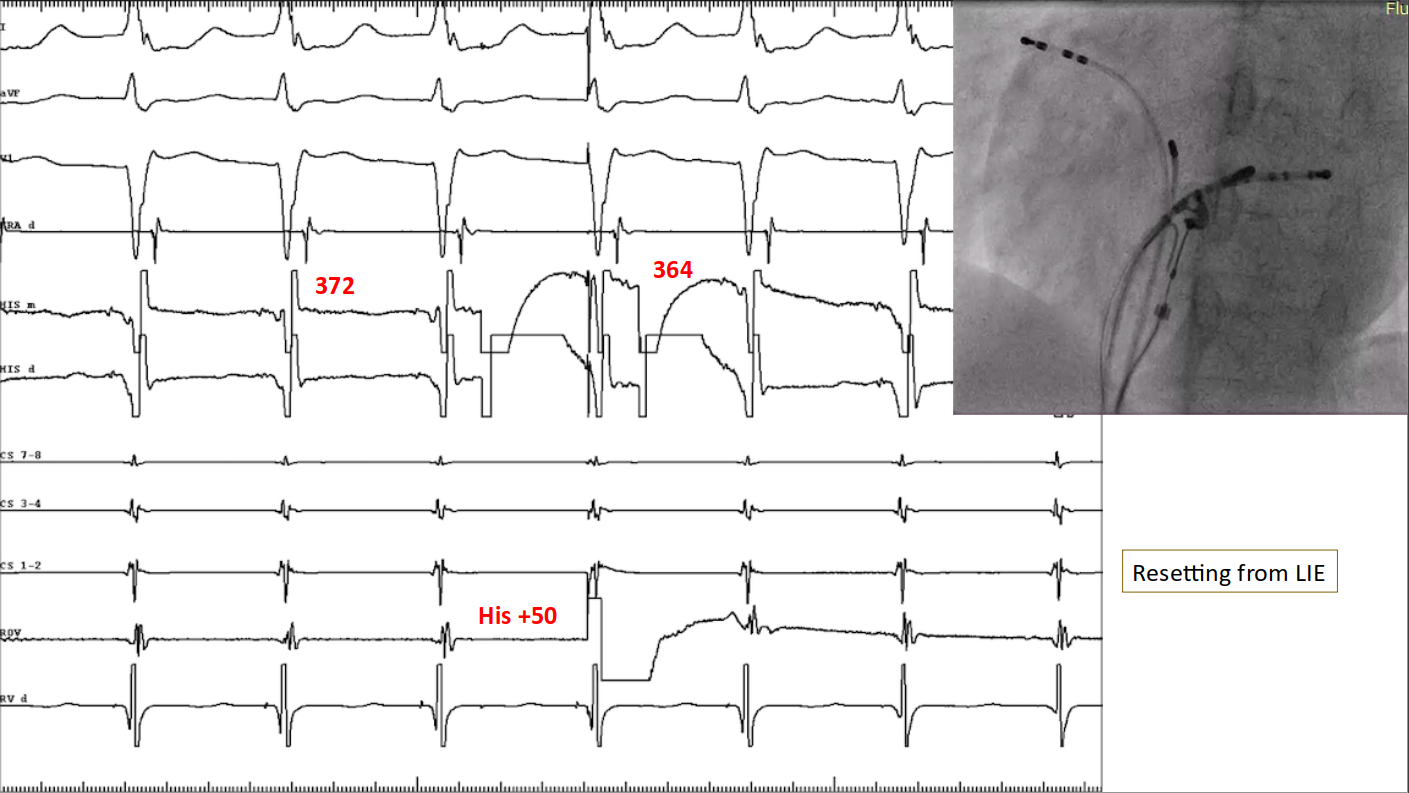
- Left inferior extension
- Left inferolateral
- Anteroseptal
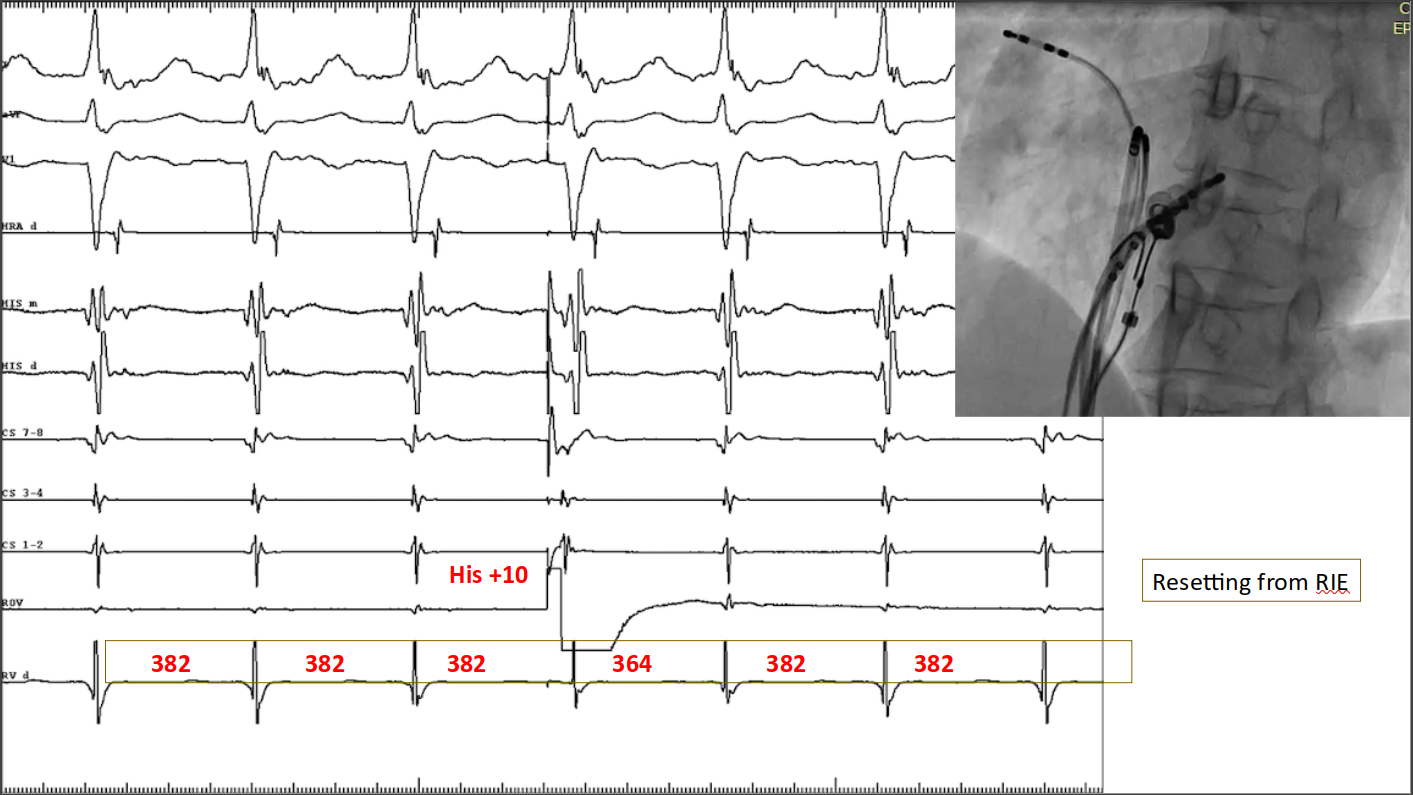
LIE slow pathway
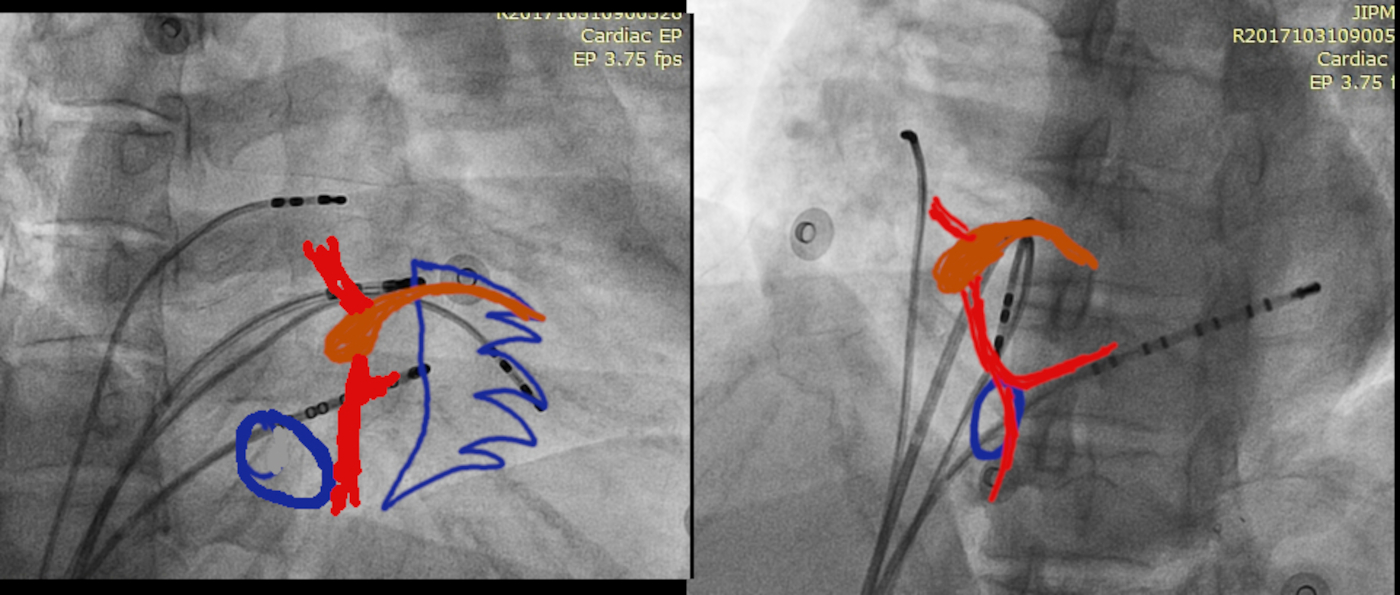
Bystander RIE and Resetting response
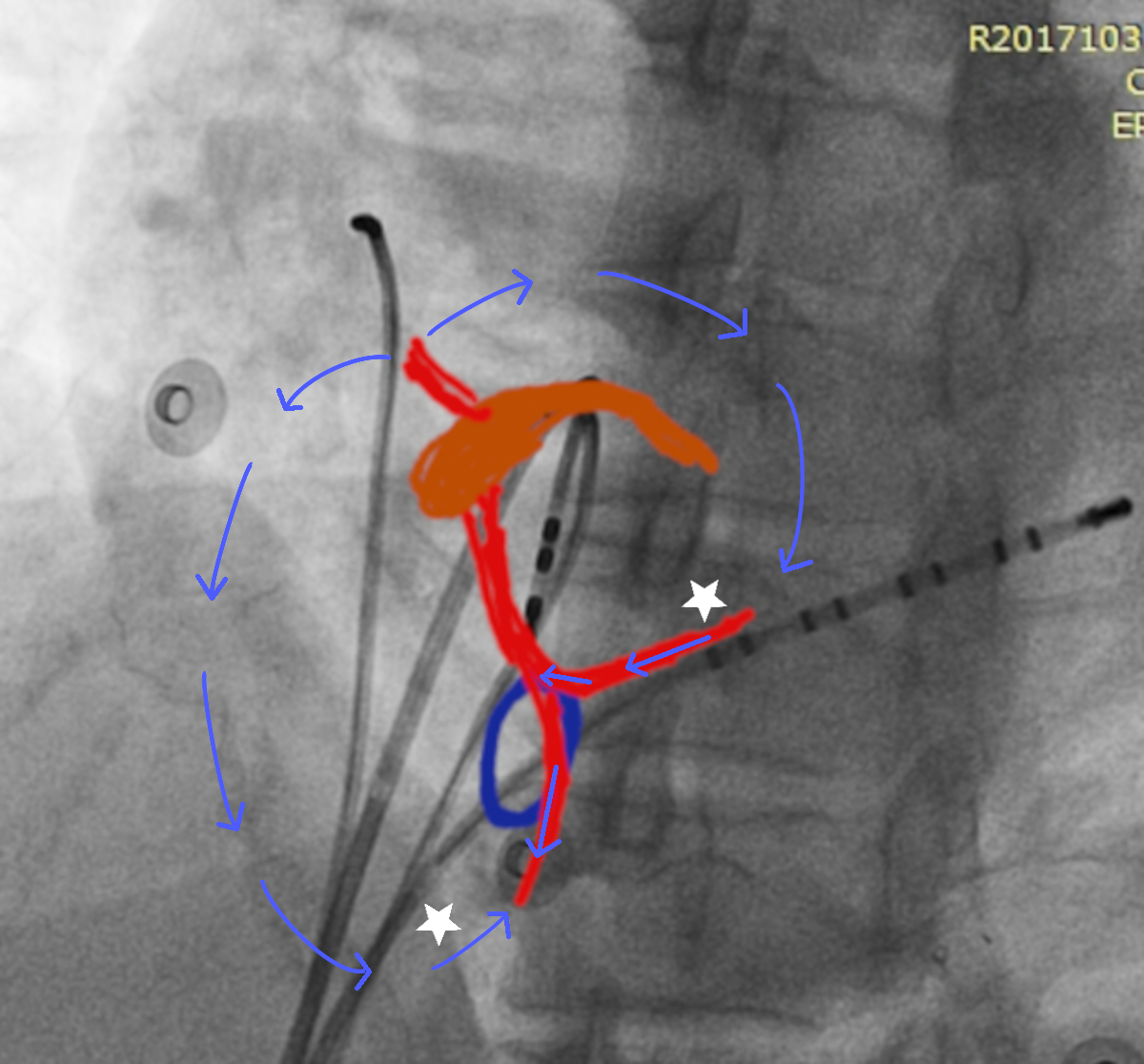
Reset from RIE
Reset from LIE
LIE ablation within CS
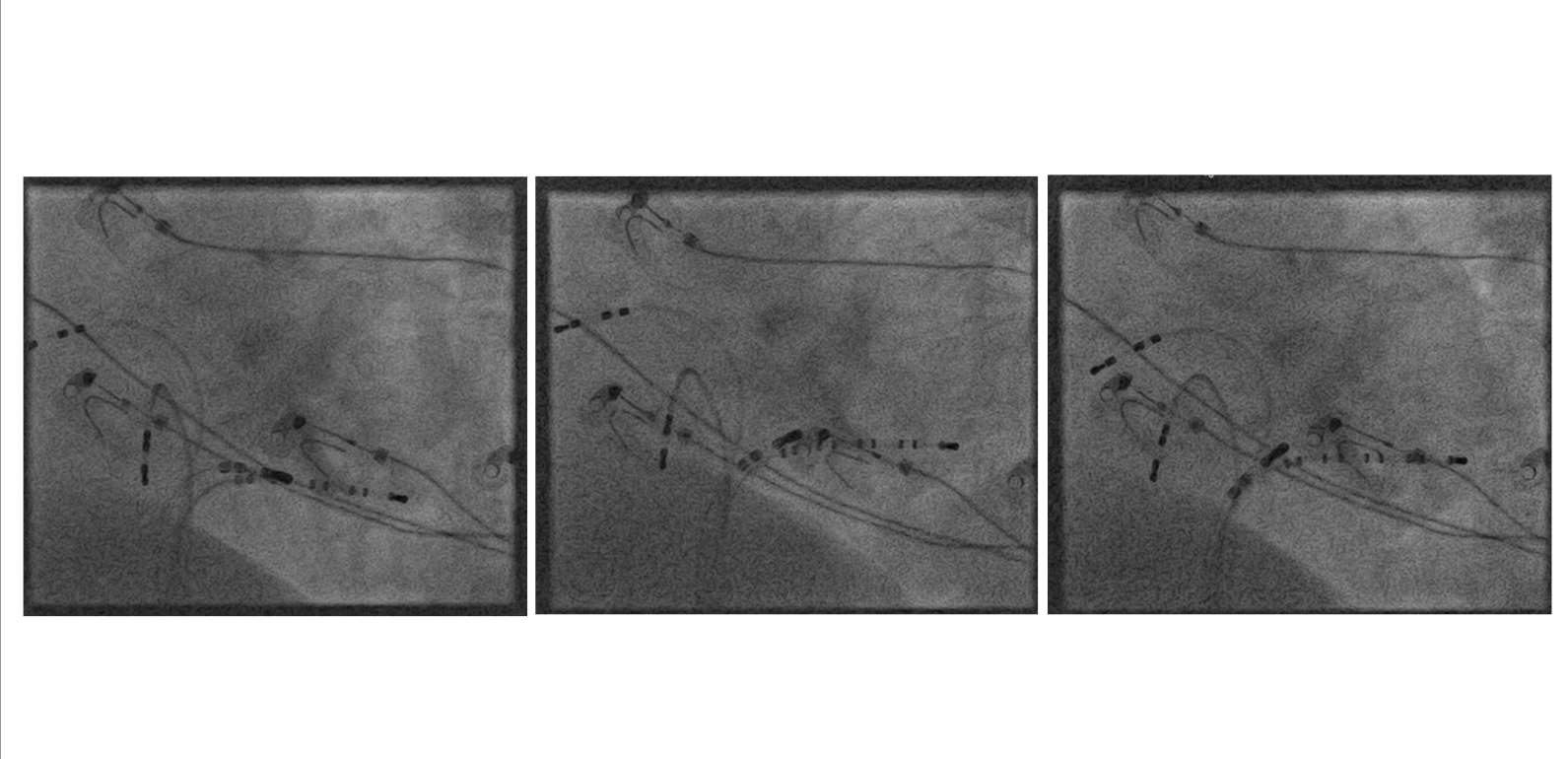
LIE ablation endocardial
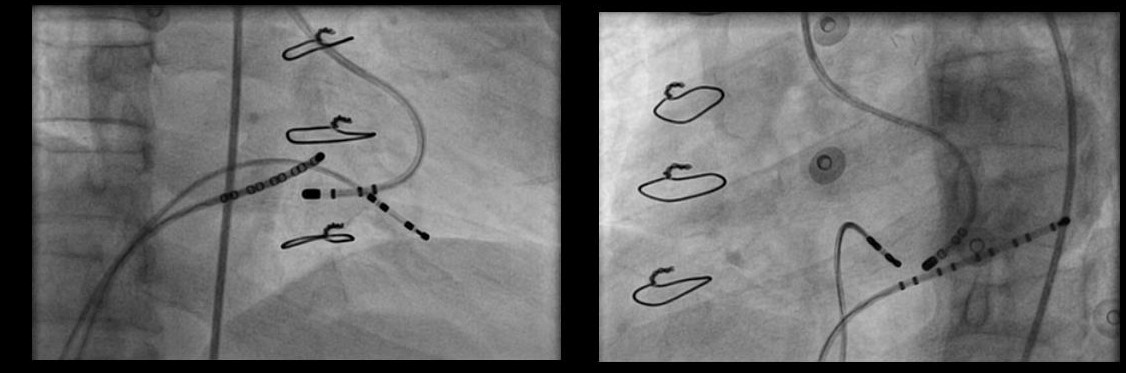
Fast pathway ablation - Still relevant ?
Fast pathway ablation
- Two patients (out of — AVNRT ablations)
- Patient 1
- 52 M, previous failed ablation for AVNRT
- PR 220 ms
- Failed ablation of RIE
- Patient 2
- 37 F, previous failed ablation for AVNRT
- Recurrent drug refractory episodes
- Failed ablation of RIE and LIE
- Pre PR 160, post PR 210
- Both patients successful, no AV block, no recurrences
Electroanatomic mapping
Electroanatomic mapping - Myths
- Will help make correct diagnosis
- Improves success rate of ablation
- Reduces risk of complications
High density mapping - Approaches
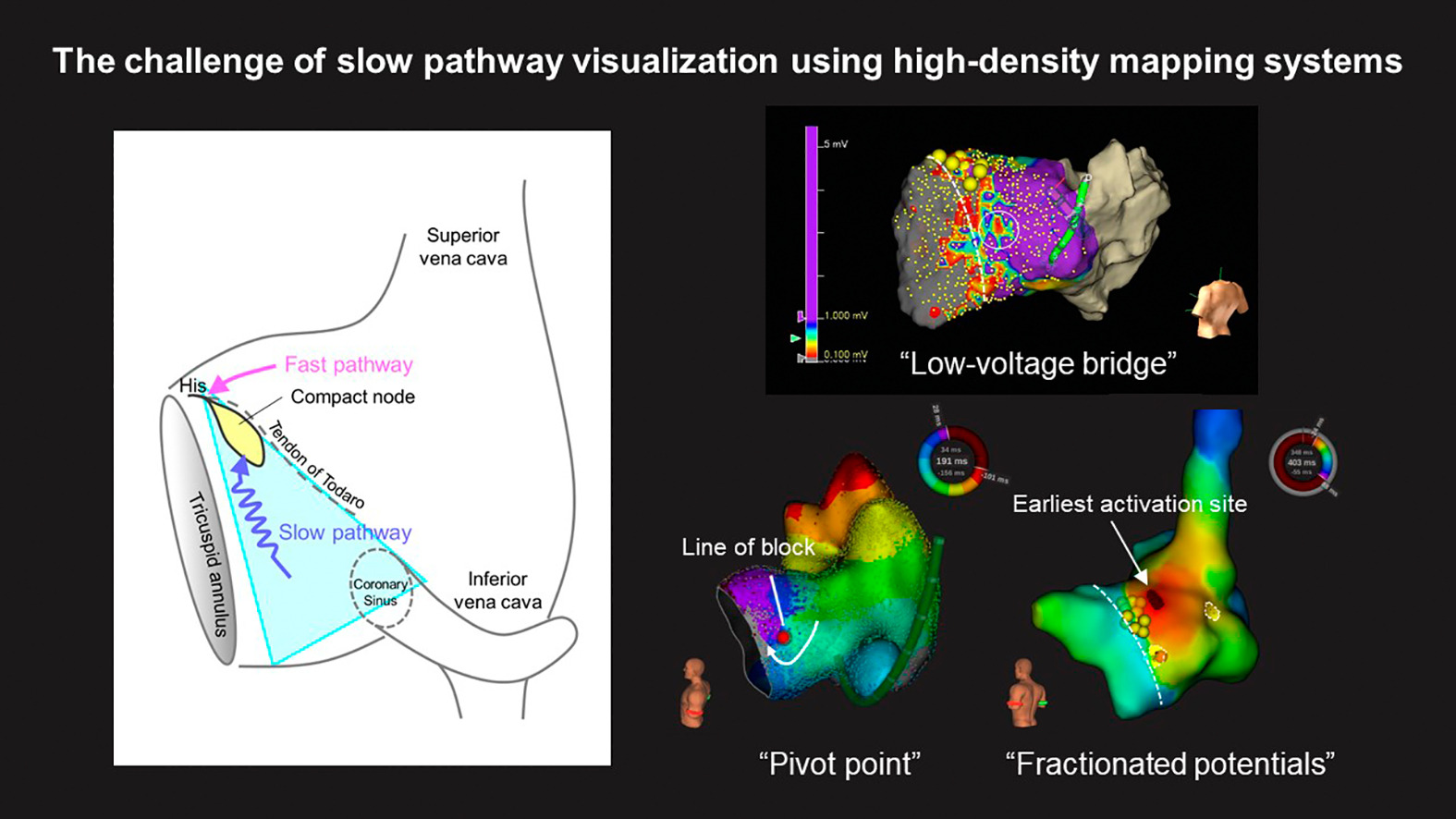
High density mapping - Approaches
- Pivot point
- Fractionated potentials during tachycardia
- Low voltage bridge
Summary - In a difficult AVNRT ablation consider
- Is the diagnosis correct ?
- Is RIE contact and stability good ?
- Is RIE a bystander and another slow pathway involved ?
- Could FP ablation be considered (refractory tachycardia, very symptomatic, all SP ablation failed, higher risk of AV block)